Overview
Toronto and Region Conservation Authority, in collaboration with the University of Toronto Trash Team, A Greener Future, and Swim Drink Fish received funding between 2023-2026 from Canada Water Agency (CWA) to support initiatives as part of the Toronto Inner Harbour Floatables Strategy. This project delivered public education and community action projects to prevent floatable plastic and litter pollution from entering Toronto waterways and Lake Ontario.
Objectives
This project advanced new initiatives associated with Version 2.0 of the Toronto Inner Harbour Floatables Strategy. This included:
Robust public education and awareness campaigns will engage businesses, schools, and the public on reducing floatable litter.
Community actions will be organized to minimize litter entering Toronto waterways and Lake Ontario.
Litter captured at community and school events will be quantified and characterized.
Project Outcomes
Shoreline Clean Ups
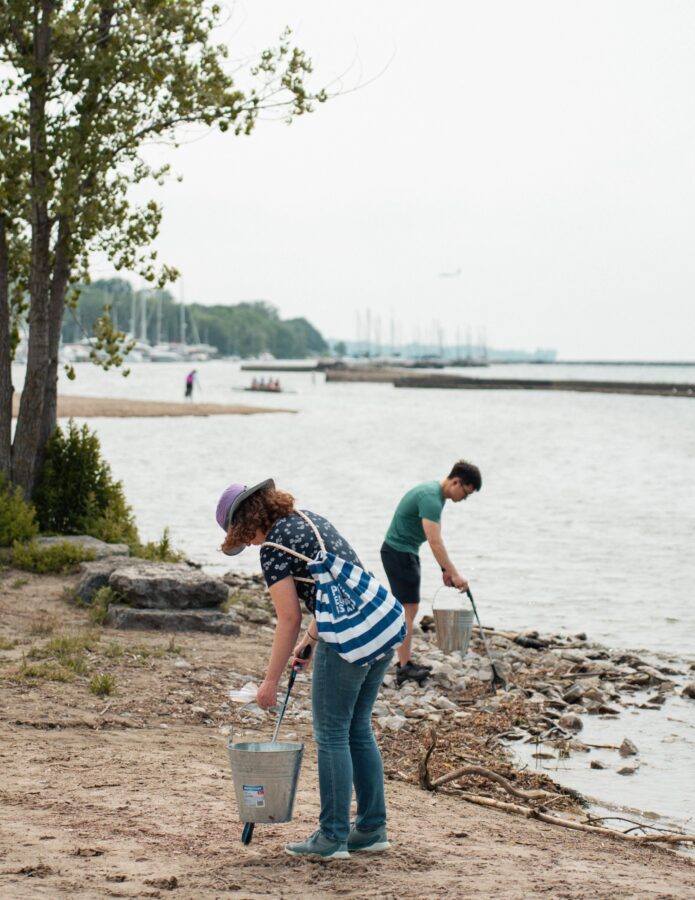
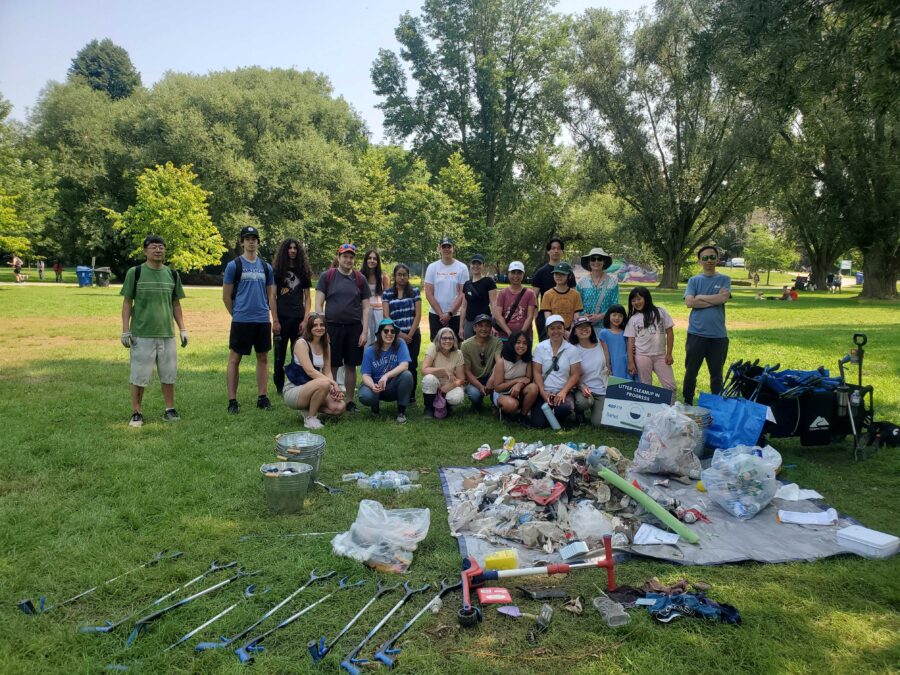
Clean up events were organized to educate the public on the environmental impacts of floatable litter and the Floatables Strategy while providing direct action and volunteer opportunities to clean up Toronto’s waterways.
In Total:
34 Clean Up Events Hosted
636 Volunteers Engaged
272 Youth Volunteers Engaged
768kg of Waste Removed
278 Hectares was Improved
Floatable Litter Story Map
A floating litter StoryMap has been developed that highlights plastic as a persistent pollutant and its impacts. Data from the clean-up events, school programs, and community action events have been mapped through the Community Impact Mapping System, which will continue to be updated.
Floatable Litter School Program
A school curriculum was developed and introduced to students in Grades 2-8 focusing on the Floatables Strategy and outlined the environmental impact of floatable litter related to freshwater. Classes were provided kits to support direct clean up events along Toronto waterways and the shoreline.
In Total:
12 Lessons were Delivered
345 Volunteers were Engaged
331 Youth Volunteers were Engaged
126kg of Waste was Removed
44 Hectares was Improved
Awareness and Waste Categorization Events
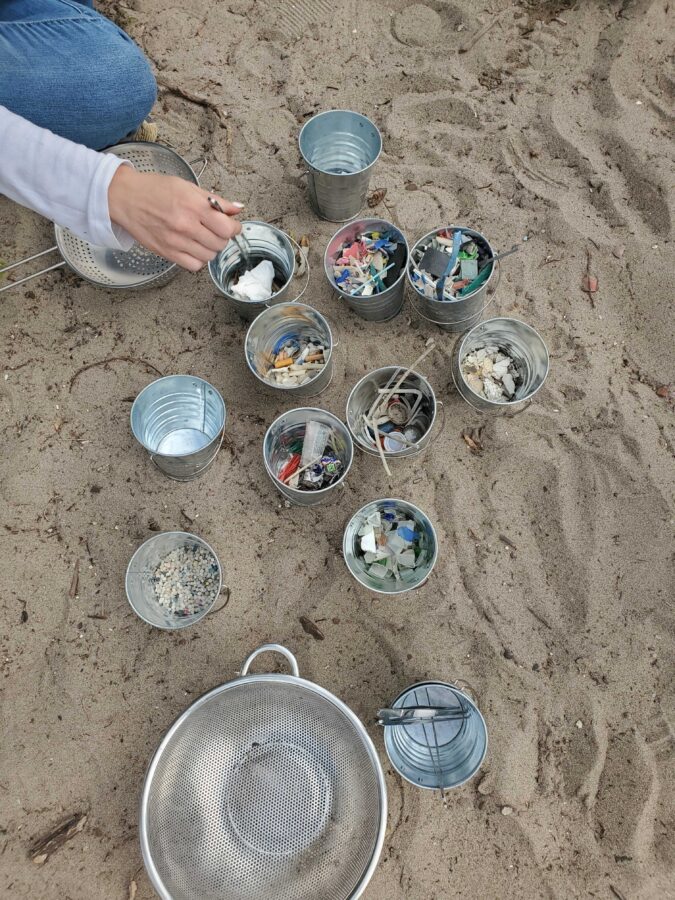
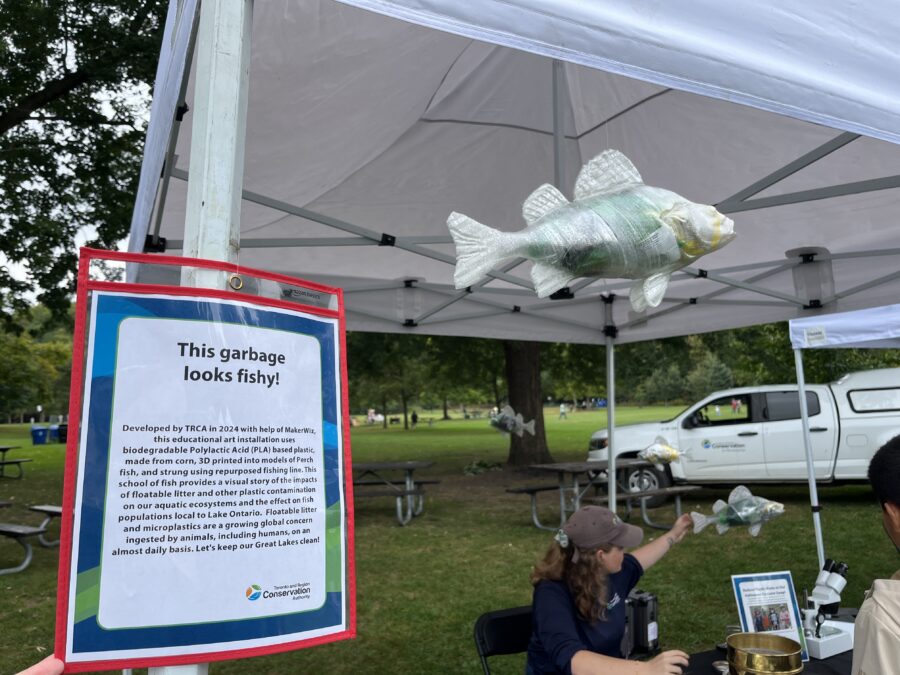
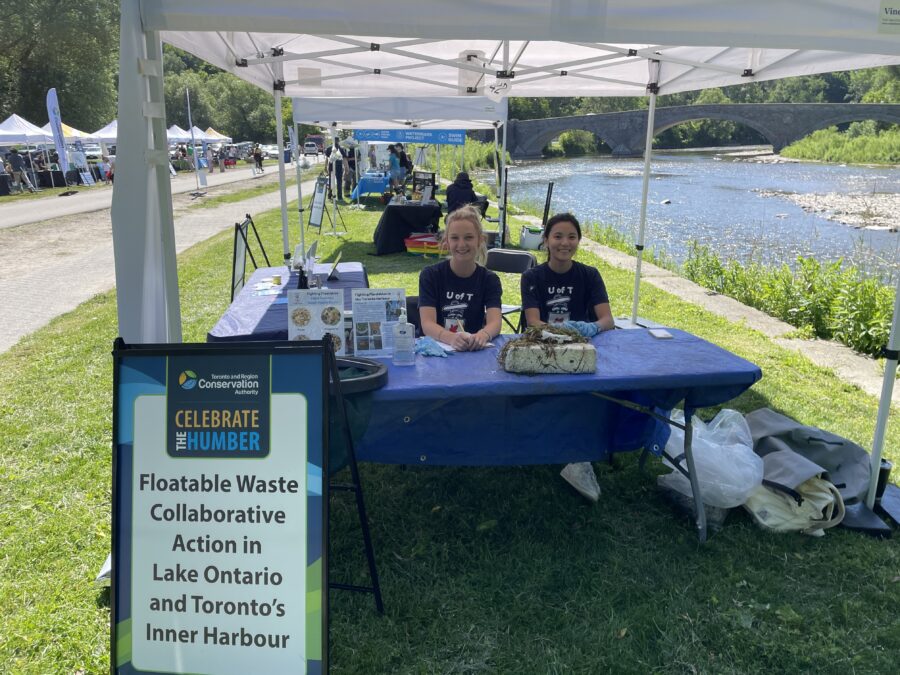
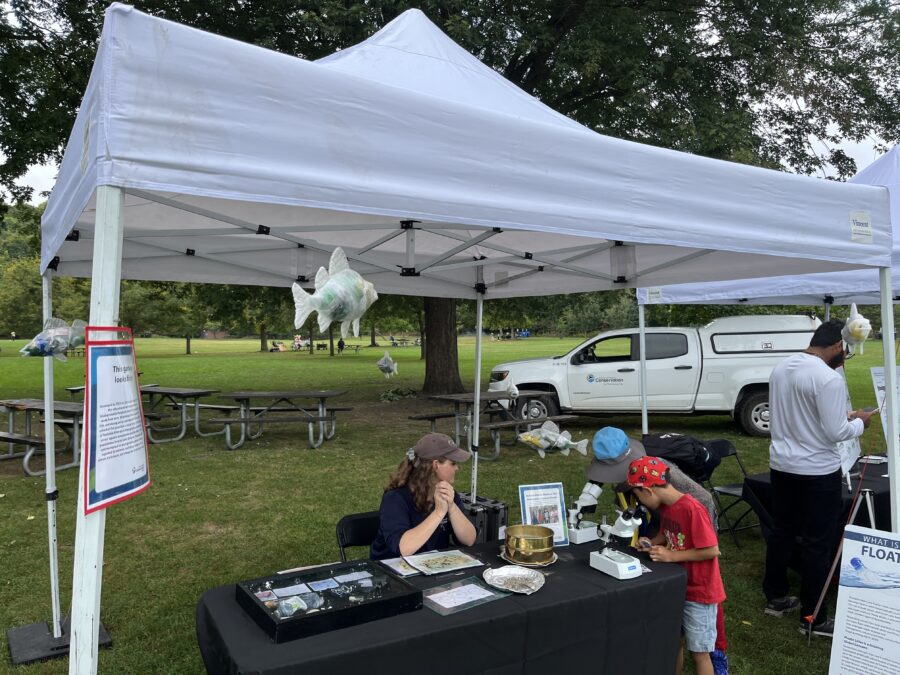
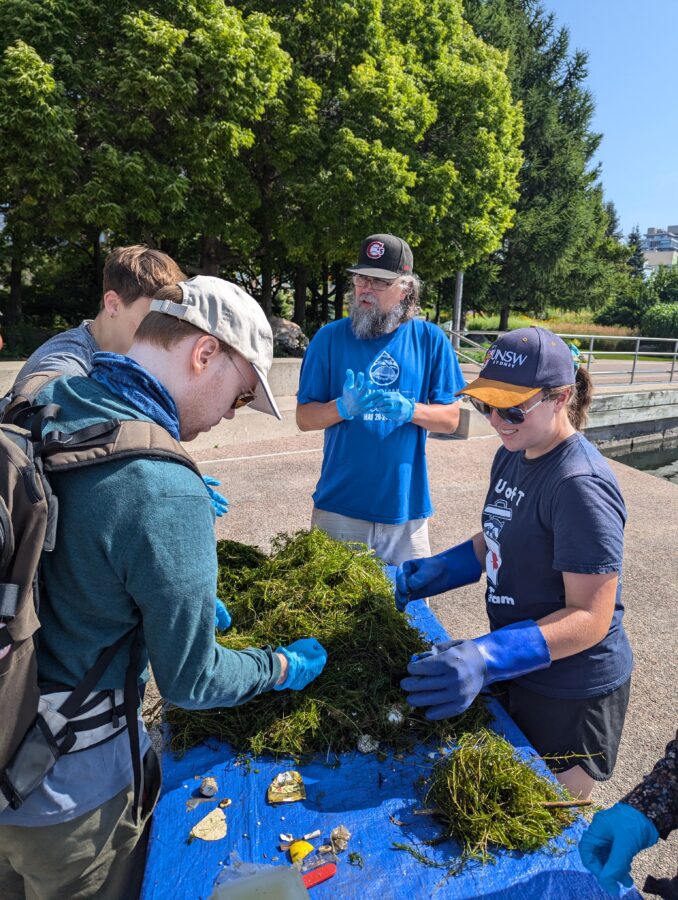
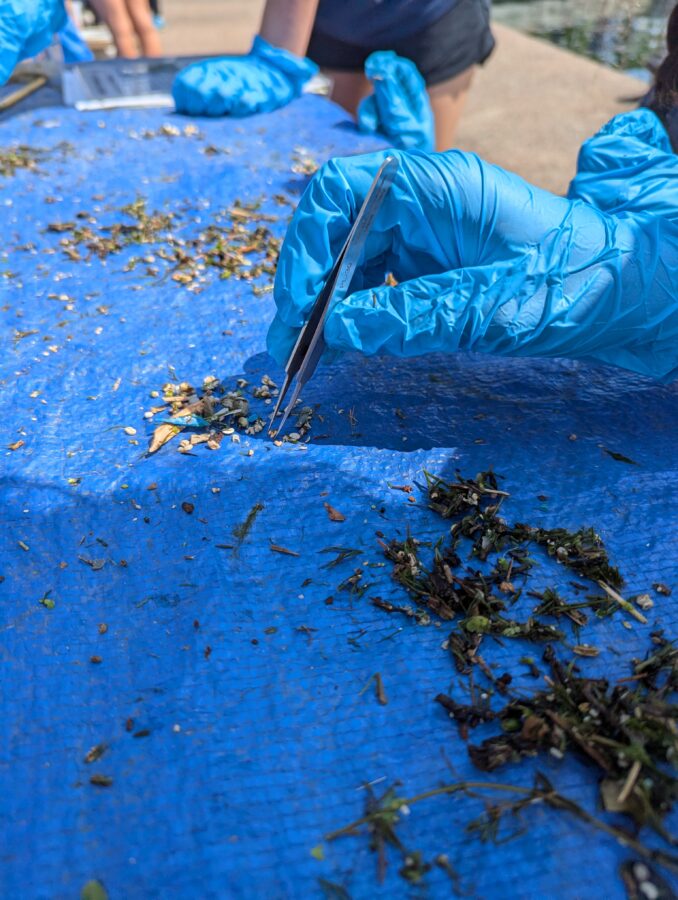
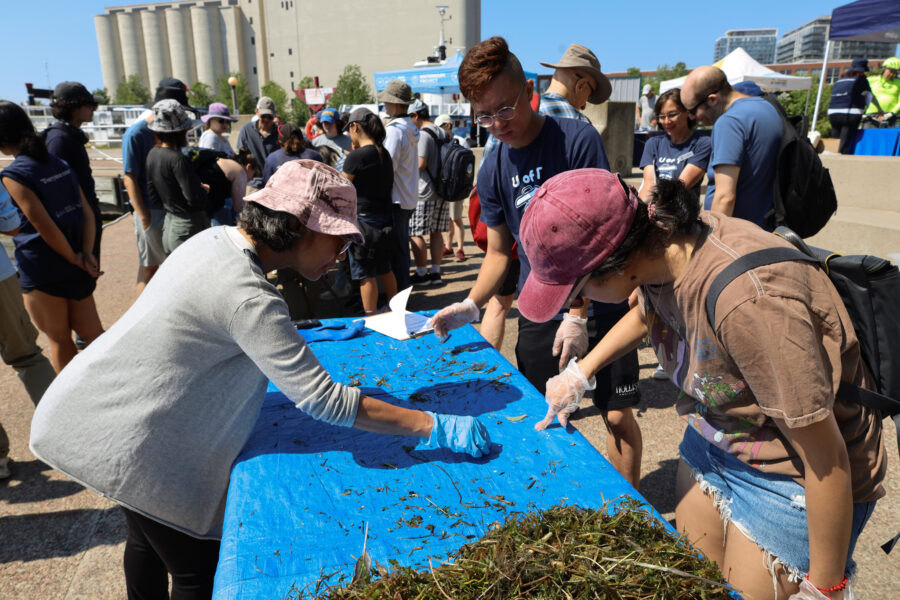
Community Science events were held to engage the public in categorizing waste collected from the waterfront. A community-based art project was also completed as a visual education tool surrounding floatable litter that had been collected from community events.
In Total:
3 Events were Held
376 Participants were Engaged
88 Youth Participants were Engaged
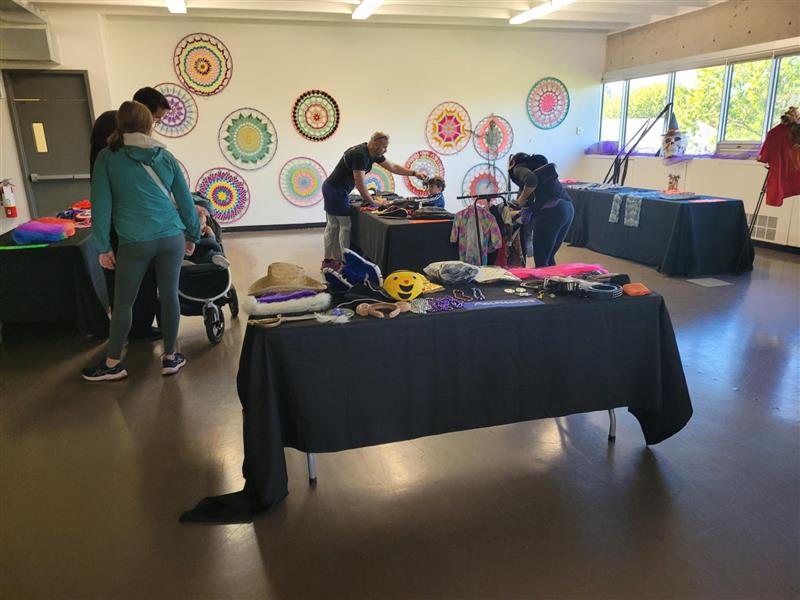
Plastic Pullback
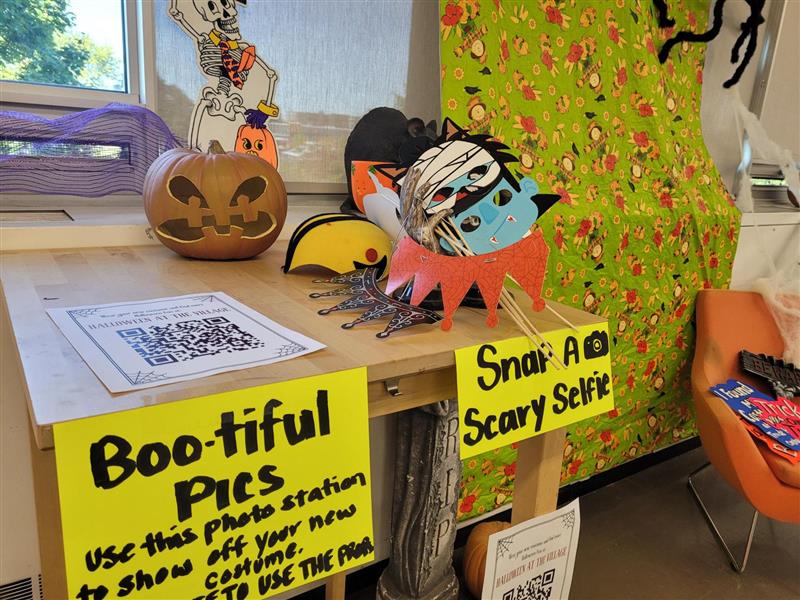
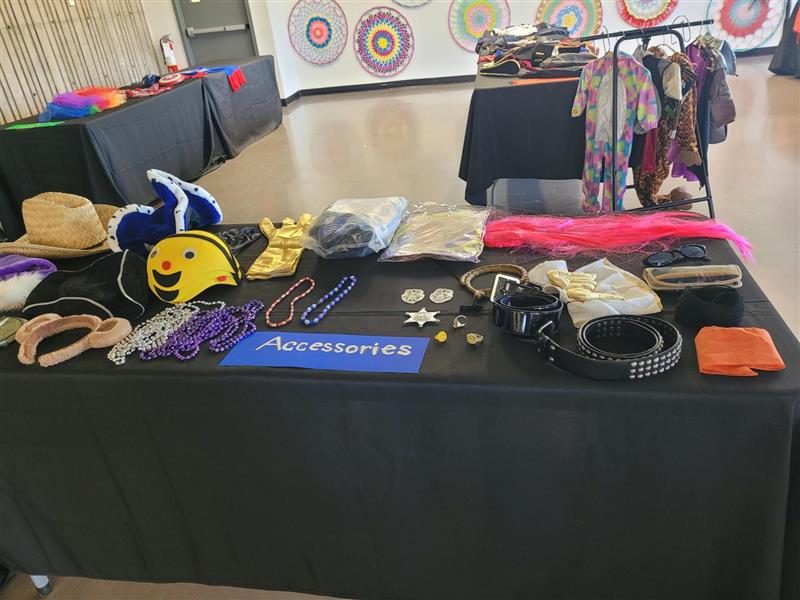
Awareness building events that were aimed at repurposing, reusing, and repairing used plastics.
In Total:
3 Events were Held
317 Participants were Engaged
184 Youth Participants were Engaged
25kg of Waste were Removed
Plastic Pellet Blitz
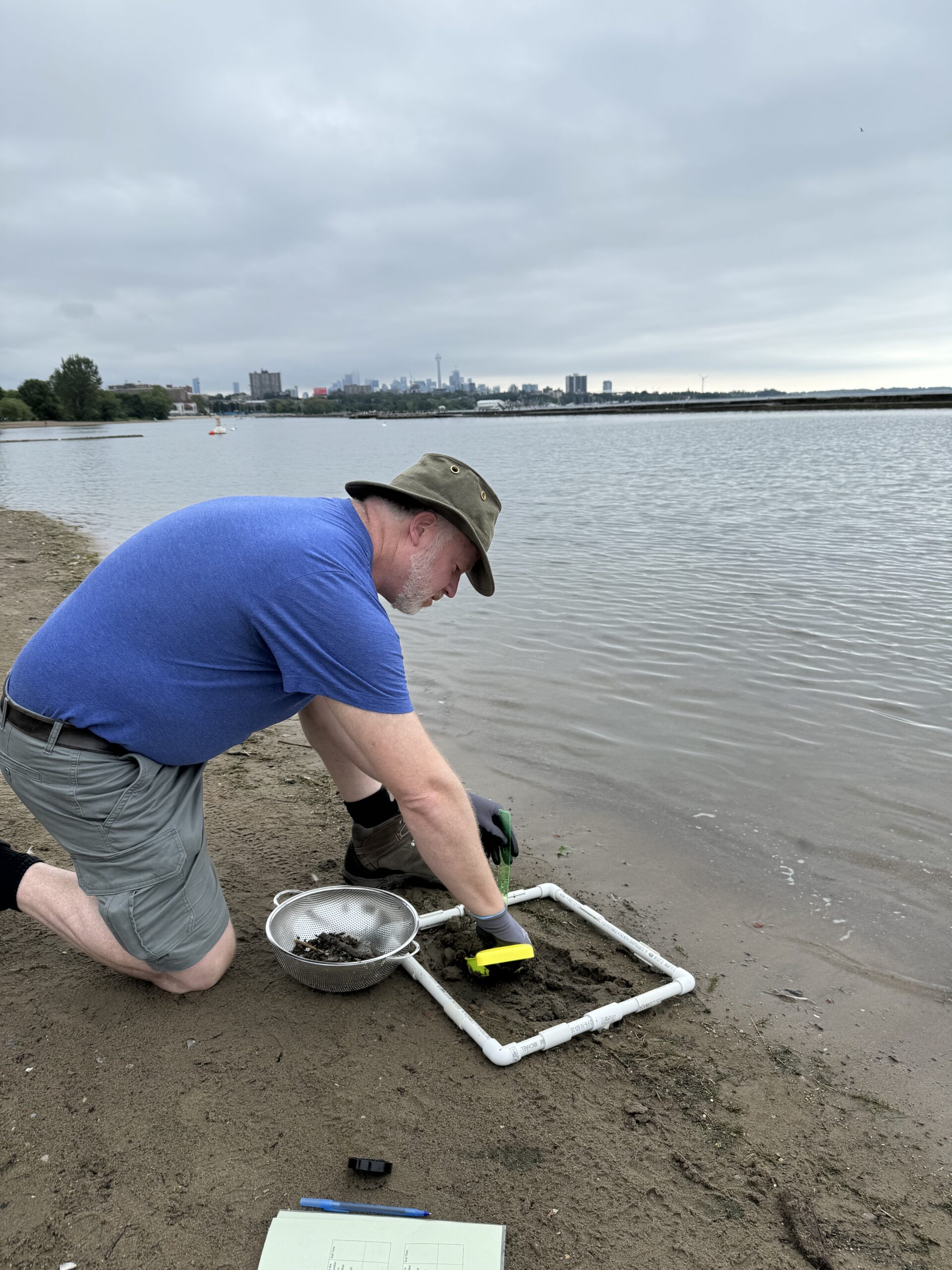
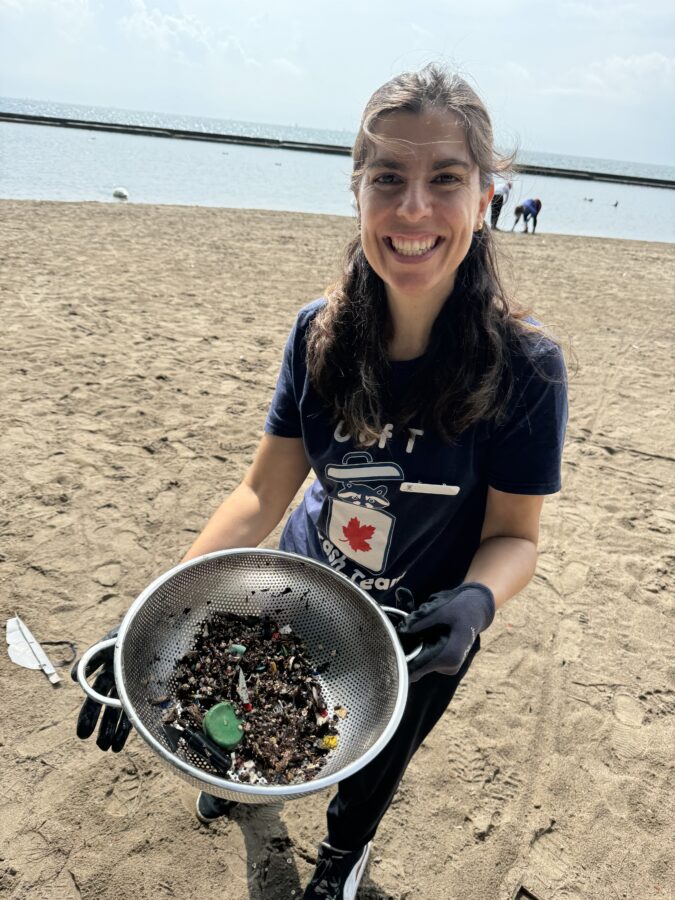
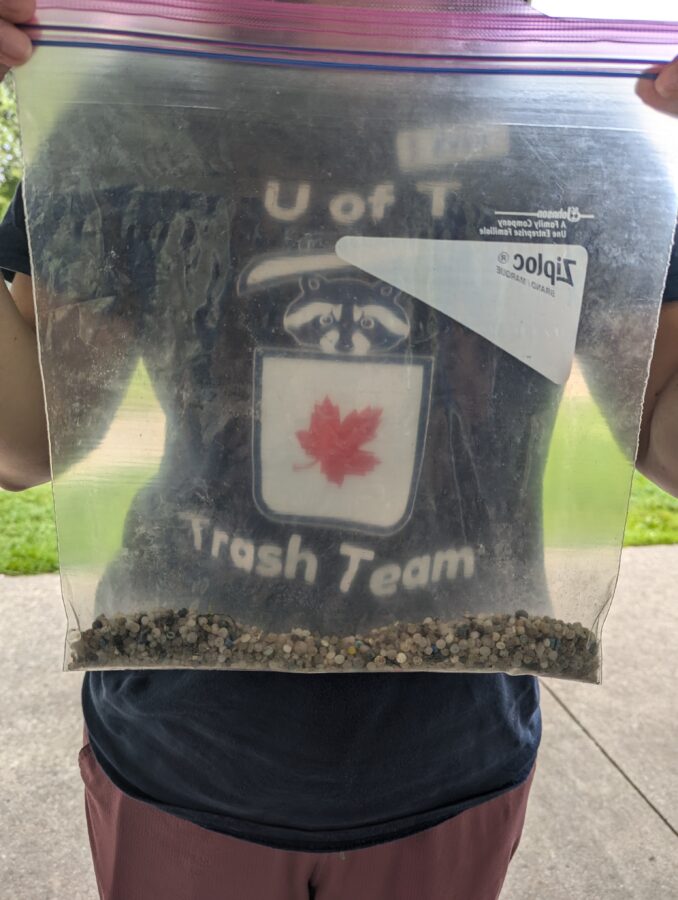
Community science events were delivered where participants of shoreline cleanups focused on a less familiar source of microplastic pollution, pre-production plastic pellets. Participants learned standard protocols to monitor this source of pollution and participated in clean ups.
In Total:
3 Events were Held
148 Volunteers were Engaged
15 Youth Volunteers were Engaged
178 Participants were Engaged
53 Youth Participants were Engaged
0.19kg of Microplastics were Removed from the Shoreline
300 Hectares was Improved
Trap Dive
Community science events led by University of Toronto Trash Team were delivered to teach the public about the different trash traps along the waterfront that divert litter from Lake Ontario.
In Total:
2 Events were Held
80 Volunteers were Engaged
10 Youth Volunteers were Engaged
83 Participants were Engaged
15 Youth Participants were Engaged
0.95kg of Waste was Removed from Waterways
200 Hectares was Improved
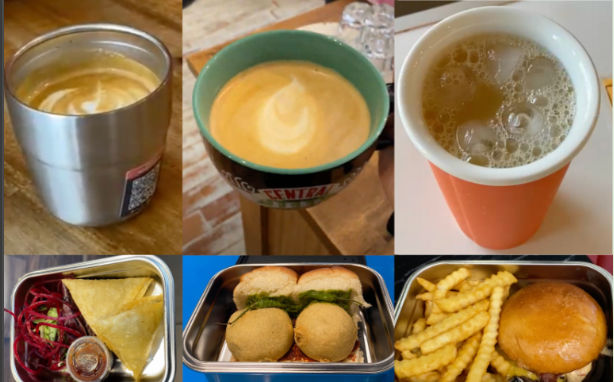
Reusable Food Ware Program Among Toronto Cafes and Restaurants
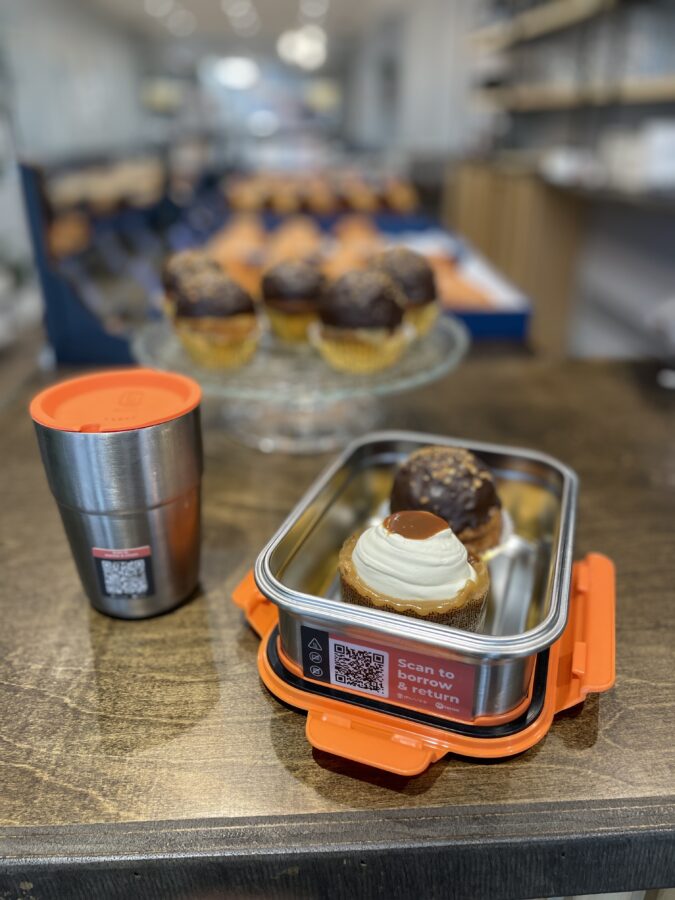
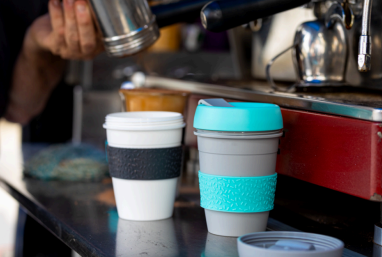
Several food service businesses within the City of Toronto participated in a pilot to reduce their plastic footprint. This included the reduction of single-use plastics through Bring Your Own (BYO) container options and/or offering paid reusable food ware services for takeout or dine-in. Educational posters and a resource guide were developed.
In Total:
6 Restaurants Participated in the Pilot
20 People from the Restaurants were Directly Involved in the Programs
Contact Us
To learn more about the Floatables Strategy and how to get involved, contact Chaya.chengappa@trca.ca
Get Involved
Are you a school or community group interested in organizing a clean-up or school program? Contact Colin.Love@trca.ca

This project is delivered by: