
For fleet operators, decarbonization rarely comes down to choosing one technology or making one large investment. More often, progress comes from testing practical solutions, measuring the results, and understanding how they perform in real operating conditions.
That was the focus of Partners in Project Green’s latest Clean Fuels Working Group (CFWG) meeting, hosted by Polaris Transportation Group in Mississauga on October 15. Twenty-five participants from 15 organizations joined in person and online, and the group welcomed 407 ETR as its newest member.
Polaris CEO, Dave Cox, opened by describing sustainability as a pillar of the business, built on leadership support, and employee buy-in. Director of Sustainability, Fulya Karakas-Akgun, then walked members through three fleet projects. Public- and private-sector fleet professionals learned about Polaris’ work on electric forklifts, a truck-mounted solar anti-idling pilot and renewable diesel. Together, the projects showed that fleet transition can happen in different ways and at different scales.
Electrification starts with more than the equipment
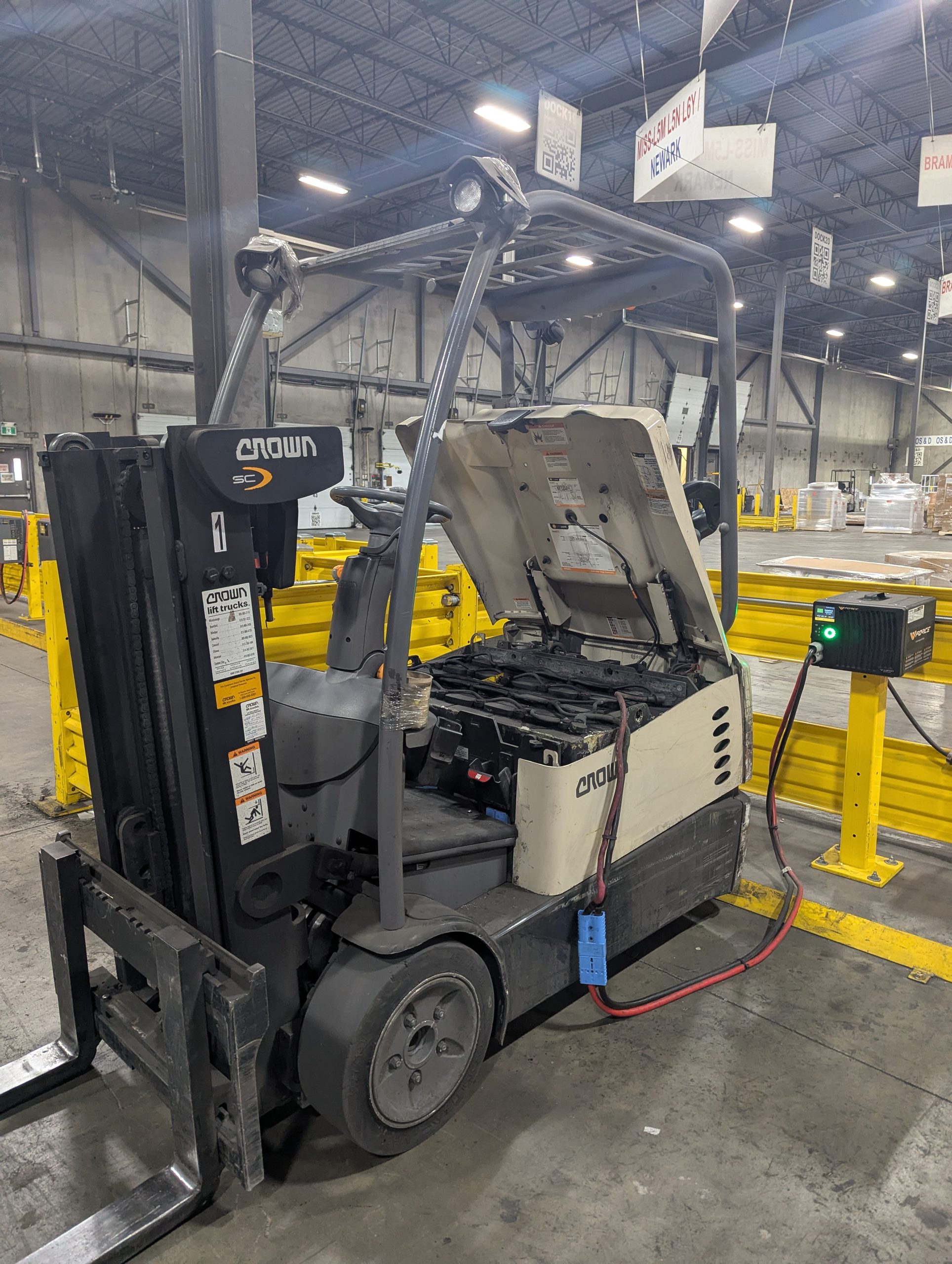
Polaris began transitioning its warehouse forklifts from propane to electric in 2025. At the time of the meeting, nine electric forklifts were already in service, with the company working toward replacing all 16 propane units.
After Polaris replaced its first four propane forklifts with electric units, annual propane use across the forklift fleet dropped from approximately 150,000 litres to 94,000 litres. Associated emissions fell by approximately 85.7 tonnes of CO2e per year, representing a 37 per cent reduction in propane-related emissions. Polaris also accessed the federal Clean Technology Investment Tax Credit, helping strengthen the business case.
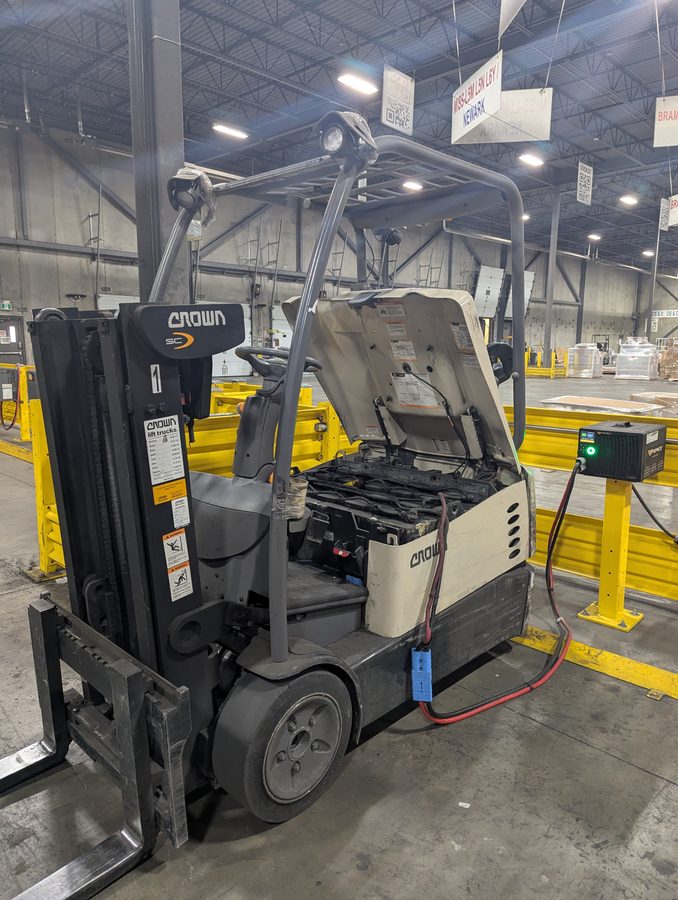
One lesson learned was about measurement. Polaris’ first four chargers had no energy meters, so the electricity they used couldn’t be tracked or counted toward federal Clean Fuel Regulations credits. The newer chargers came with meters, and the older units are getting telematics devices installed to fill the gap.
Small retrofits can deliver measurable results
Polaris also installed a 400 W solar kit on one highway truck. It keeps the battery charged so drivers can run cab heating and cooling with the engine off.
In the 160 days after installation, the truck’s idle fuel use fell 66 per cent, from 3.9 L to 1.3 L per day. To account for the season, Polaris compared it with its 64 other highway trucks, which saw only about a 9 per cent drop during idling. The kit cost just over $3,000 installed, with an early payback estimate of a little over three years. Three more kits are going onto other trucks, and the winter season ahead will be the real test for success.
Renewable diesel: potential meets supply reality
Diesel used by Polaris’ highway trucks accounts for approximately 92 per cent of the company’s Scope 1 emissions, making heavy-duty transportation an important area of focus.
Polaris previously tested R50 renewable diesel with three trucks. During the two-week pilot, the vehicles used 4,344 litres of fuel. Based on lifecycle emissions-intensity information provided by the supplier, Polaris estimated that the R50 had approximately 34 per cent lower lifecycle emissions intensity per litre than regular diesel. The pilot was estimated to have avoided approximately 5.3 tonnes of CO2e compared with the regular-diesel benchmark. The trial, however, ended earlier than planned because of a fuel-supply shortage.
That experience led into a broader Working Group discussion about one of the challenges facing GTA fleets interested in renewable diesel: consistent supply at smaller volumes. Members discussed whether organizations could potentially aggregate demand to create a stronger market signal for suppliers. They also raised questions about lifecycle emissions, feedstocks, carbon-intensity information. and how environmental attributes are reflected in fleet reporting.
The discussion reinforced that technical compatibility is only one part of a successful fleet transition. Supply, procurement and access to reliable information matter, too.
Learning from implementation
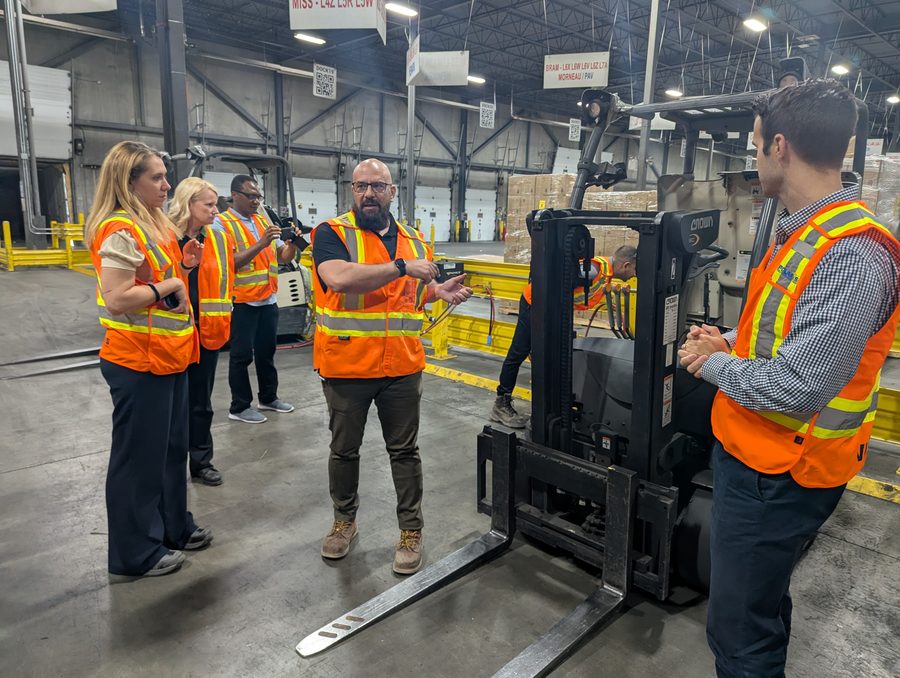
Following the meeting, CFWG members toured Polaris’ dock and yard to see the technologies firsthand. The group viewed the electric forklift charging-area and discussed infrastructure, installation, opportunity charging, and maintenance. This type of peer learning is at the heart of the Clean Fuels Working Group. Sharing successes, challenges, and lessons learned can help participating organizations make better-informed decisions and avoid working through the same questions in isolation.
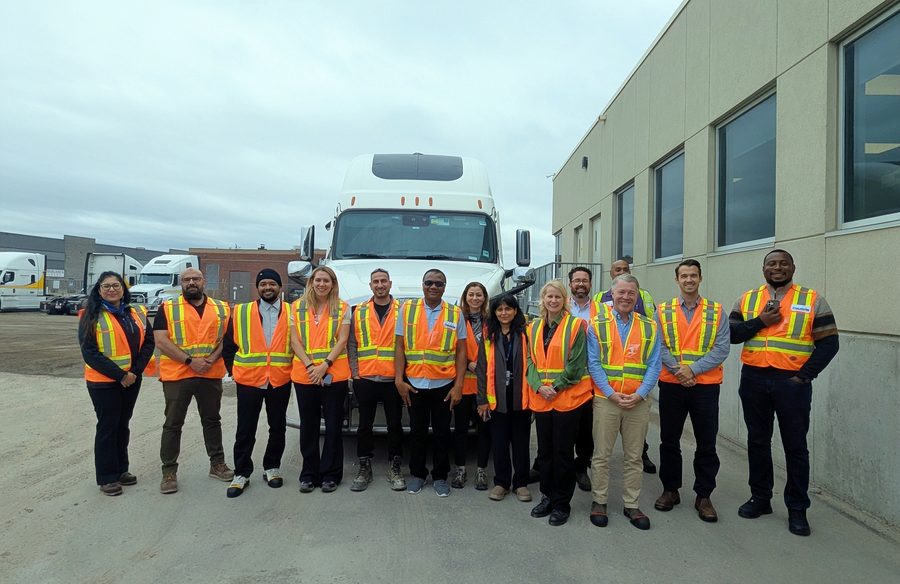
The CFWG will continue the conversation on November 27, 2026, hosted by the Town of Caledon, at the Humber River Centre. The session will focus on renewable diesel supply in Canada and Ontario, including production, supply-chain availability, market conditions, and considerations for GTA fleet operators.