
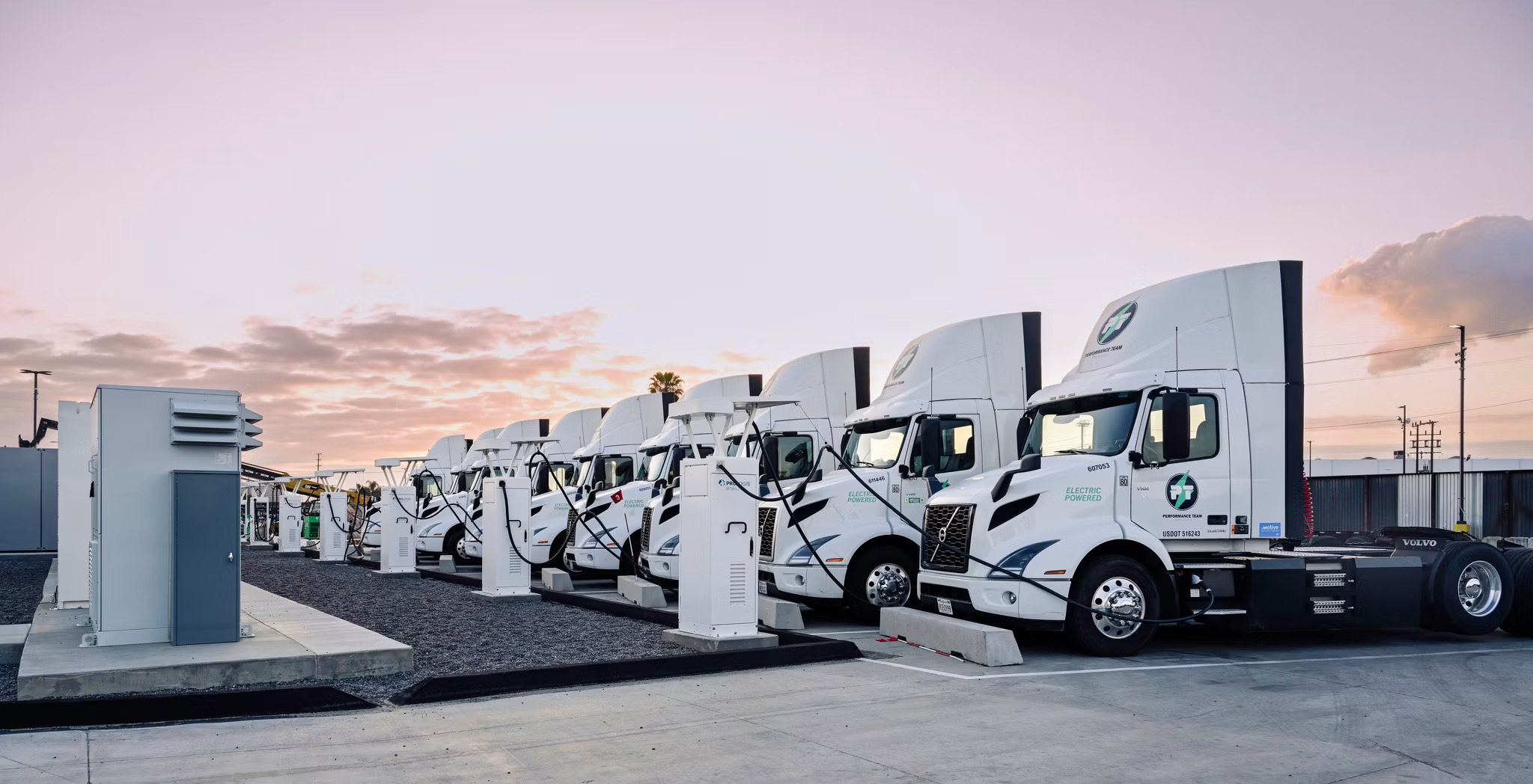
For organizations looking to reduce fleet emissions, choosing the right vehicle or fuel is only one part of the transition. Real-world experience from fleets across the GTA shows that successful decarbonization starts with understanding how vehicles are actually used — such as routes, duty cycles, infrastructure, training, operating costs, and the people responsible for keeping the fleet moving.
Fleet readiness matters; before committing to a technology, organizations must draw a clear picture of current operations, future needs, and the practical changes required to support new vehicles or fuels.
Through initiatives such as Futureproof Your Fleet and the Clean Fuels Working Group, Partners in Project Green (PPG) has been bringing together fleet operators, municipalities, and industry experts to share practical lessons and help organizations make better informed decisions.
Start with your operation, not the technology
Peel Region and Emterra’s electric waste -collection pilot illustrates why operational fit matters. Early in the pilot, the electric truck was operating for only an estimated six to seven hours per day. With more driver training and route adjustments — including reducing highway driving and increasing the use of regenerative braking — operating time was increased to about 10 to 12 hours per day.
This pilot also identified some areas of improvement, like the battery weight reducing the truck’s collection capacity by about 20%, compared with existing CNG vehicles. Peel and Emterra know that the value of a pilot is not just proving that a technology can work, but learning what changes are needed before scaling it.
Further, the experience reinforced the importance of driver feedback. Operators reported a quieter, smoother ride, while training helped them use regenerative braking more effectively and extend the truck’s productive operating time.
Infrastructure can become the bottleneck
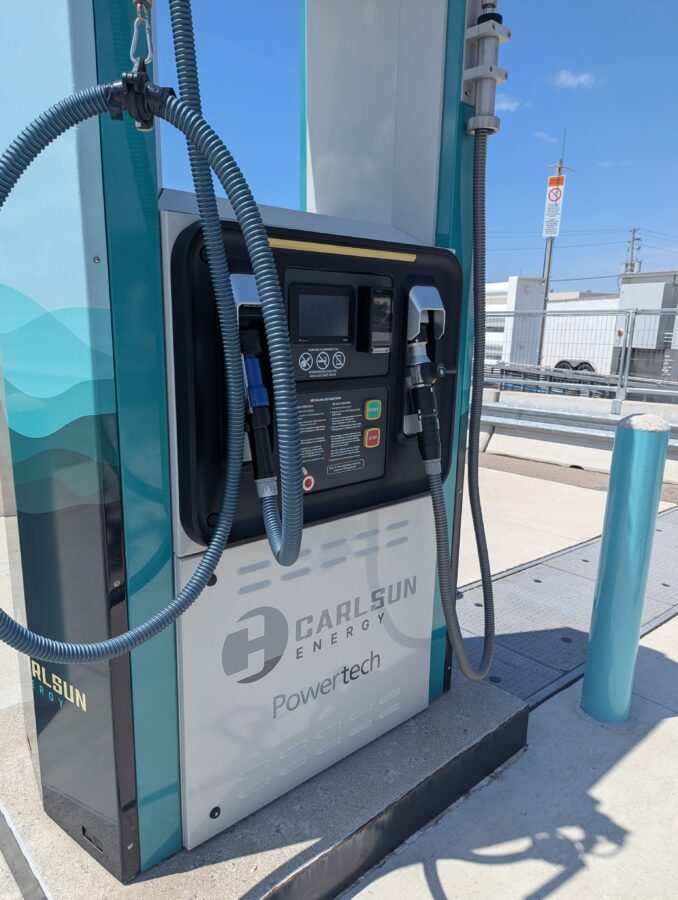
Park’N Fly’s fleet transition story demonstrates the need to consider infrastructure and fuel access early on. As its Toronto shuttle fleet operates 24/7, on short, repetitive routes, reliable on-site fueling is essential.
After comparing options, Park’N Fly moved toward dual-fuel CNG. The company initially projected a 21% reduction in fuel-related operating costs; after implementation, fuel savings were trending closer to 30%! This transition required driver and mechanic training, new fueling procedures, and coordination with Enbridge for the station itself.
Park’N Fly is now evaluating the value of battery-electric buses, as their experience with customer EV- charging has highlighted another challenge: available electrical capacity. They reported that several valet locations had reached their current charging limits, and this has required coordination with utilities to secure more capacity.
The lesson is straightforward: infrastructure planning cannot wait until the new vehicles arrive. Fuel access, charging capacity, facility requirements, and utility coordination can determine how quickly a fleet transition can truly be implemented.
Some fleets need more than one pathway
At the Clean Fuels Working Group’s July meeting at Toronto Pearson, the Greater Toronto Airports Authority shared how it is using a mix of technologies rather than relying on a single solution.
Toronto Pearson has tested renewable diesel in buses, fire apparatuses, maintenance vehicles, and airfield equipment. The fuel was introduced without modifications to existing vehicles or fueling infrastructure, with no significant impacts to vehicle performance or efficiency being reported. At the same time, the airport identified practical considerations such as winter operability, seasonal fuel -blends, supply availability, and cost.
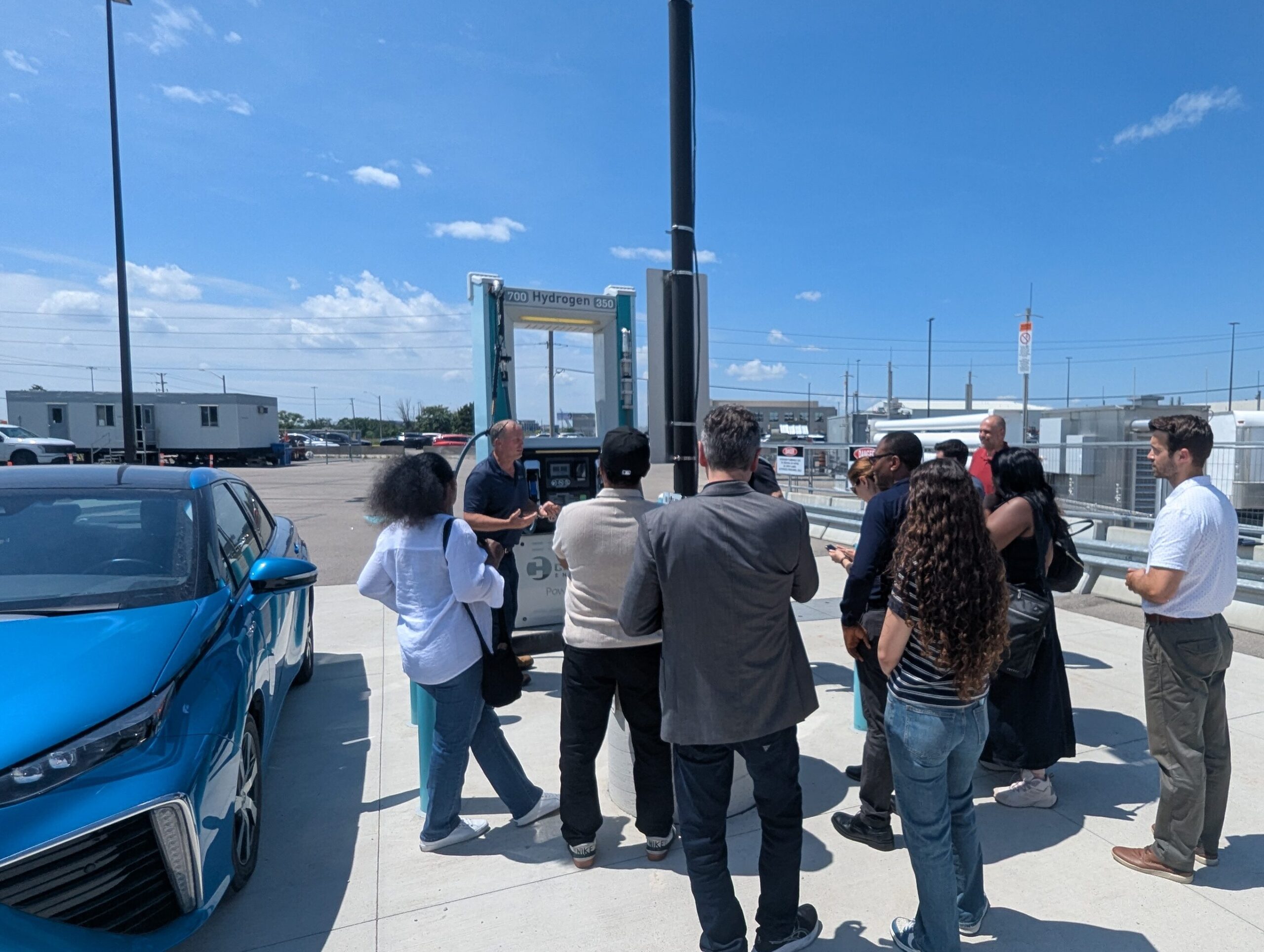
The Working Group also toured Pearson’s hydrogen refueling station and discussed the potential for hydrogen applications where direct electrification or charging may be more difficult. The session reinforced a message that continues to emerge across PPG’s fleet work: different fleets may require different technologies, and readiness depends on more than the vehicle itself.
Preparing for the Shift
These examples point to a common theme. Fleet transition works best when organizations begin with their operational realities, push-back on assumptions, identify infrastructure needs, and involve the very people who will operate and maintain the new technology.
On Tuesday, September 22, from 1:00–2:00 p.m., PPG members are invited to continue this conversation at Preparing for the Shift: Low Carbon Transportation and Fleet Readiness.
The virtual Lunch & Learn will feature Sherena Hussain, Co-Founder and CEO of FleetZero, and Naeem Farooqi, Co-Founder and Chief Technology Officer. The session will explore current low-carbon transportation trends, and the operational, financial and infrastructure considerations organizations must understand when planning a fleet transition.
This session is designed for organizations at any stage of their journey — from fleet managers beginning to explore their options to sustainability, to operations and infrastructure professionals refining longer-term plans.