
For many organizations, fleet decarbonization is no longer a future conversation. It is becoming part of day-to-day planning.
The challenge is that there is no single pathway forward. Fleet transition can involve vehicles, fuels, infrastructure, procurement, budgets, maintenance, emissions reporting and long-term planning. What works for one organization may not work for another.
That is one of the reasons Partners in Project Green created the Clean Fuels Working Group (CFWG).
The Working Group brings together organizations that are actively exploring, testing, or planning for lower-carbon transportation options. Its focus is practical: what is working, what questions still need answers, and what lessons can be shared across sectors.
Learning from real-world experience
Each CFWG meeting creates an opportunity for members to hear directly from organizations working through fleet transition challenges, ask practical questions and compare approaches.
Recent discussions have explored renewable diesel, hydrogen, fleet electrification, fuel supply, emissions accounting, infrastructure planning and other considerations that affect implementation.
These conversations are not just about technology. They are about readiness.
Renewable diesel, for example, can offer a near-term option for reducing emissions from existing diesel vehicles and equipment. But organizations still need to understand practical considerations such as available blends, seasonal supply, fuel specifications, lifecycle emissions, procurement and how the fuel can be integrated into existing operations.
Electrification brings a different set of questions. Fleet managers need to understand duty cycles, charging requirements, electrical capacity, infrastructure upgrades and operational impacts before vehicles are deployed.
Hydrogen and other low-carbon fuels may also play a role in applications where direct electrification is more difficult.
The Working Group gives members a place to explore these questions with peers and industry experts rather than working through them in isolation.
Seeing clean fuels in action
The CFWG also gives members opportunities to learn directly from host organizations and see technologies in operation.
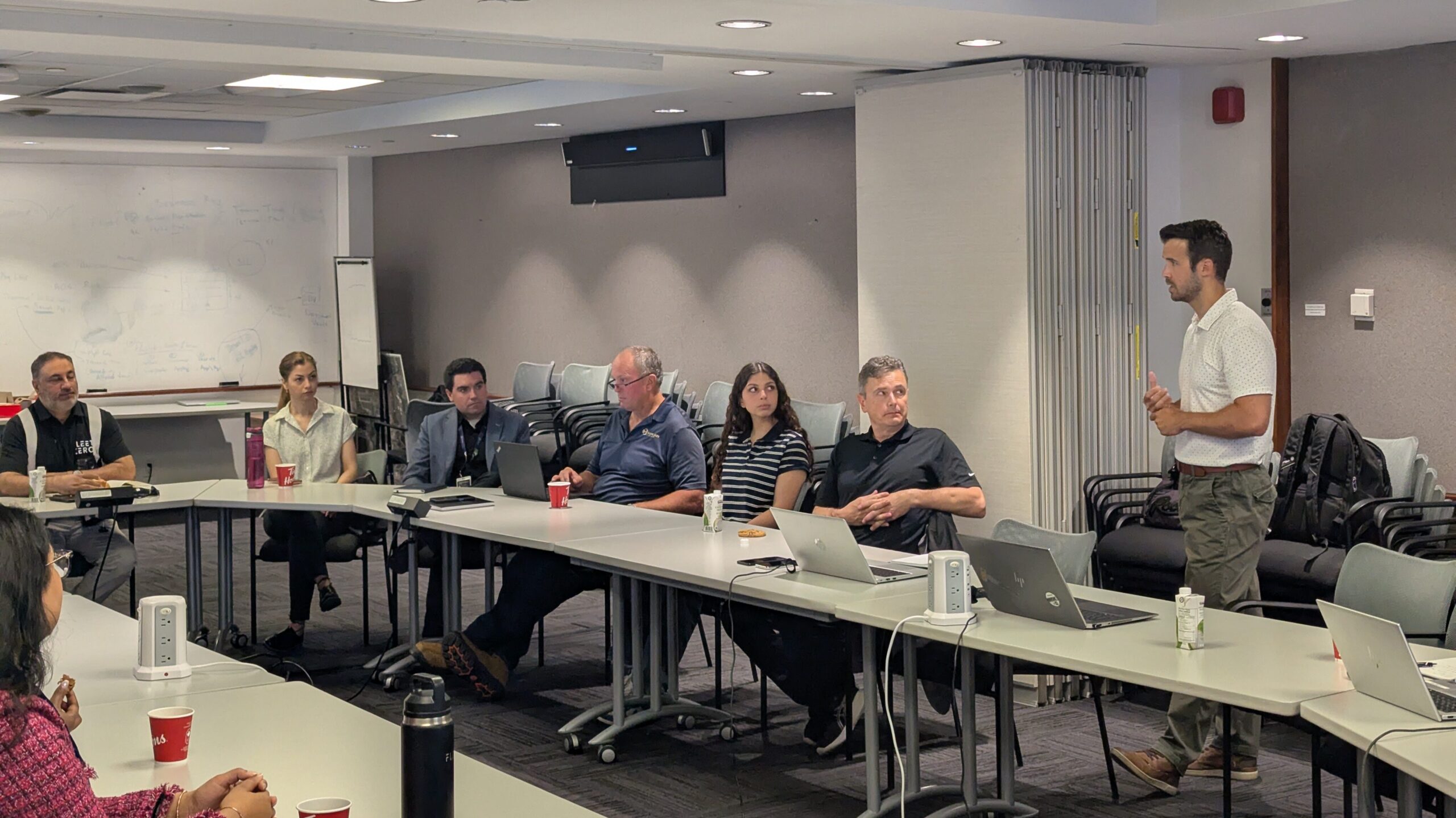
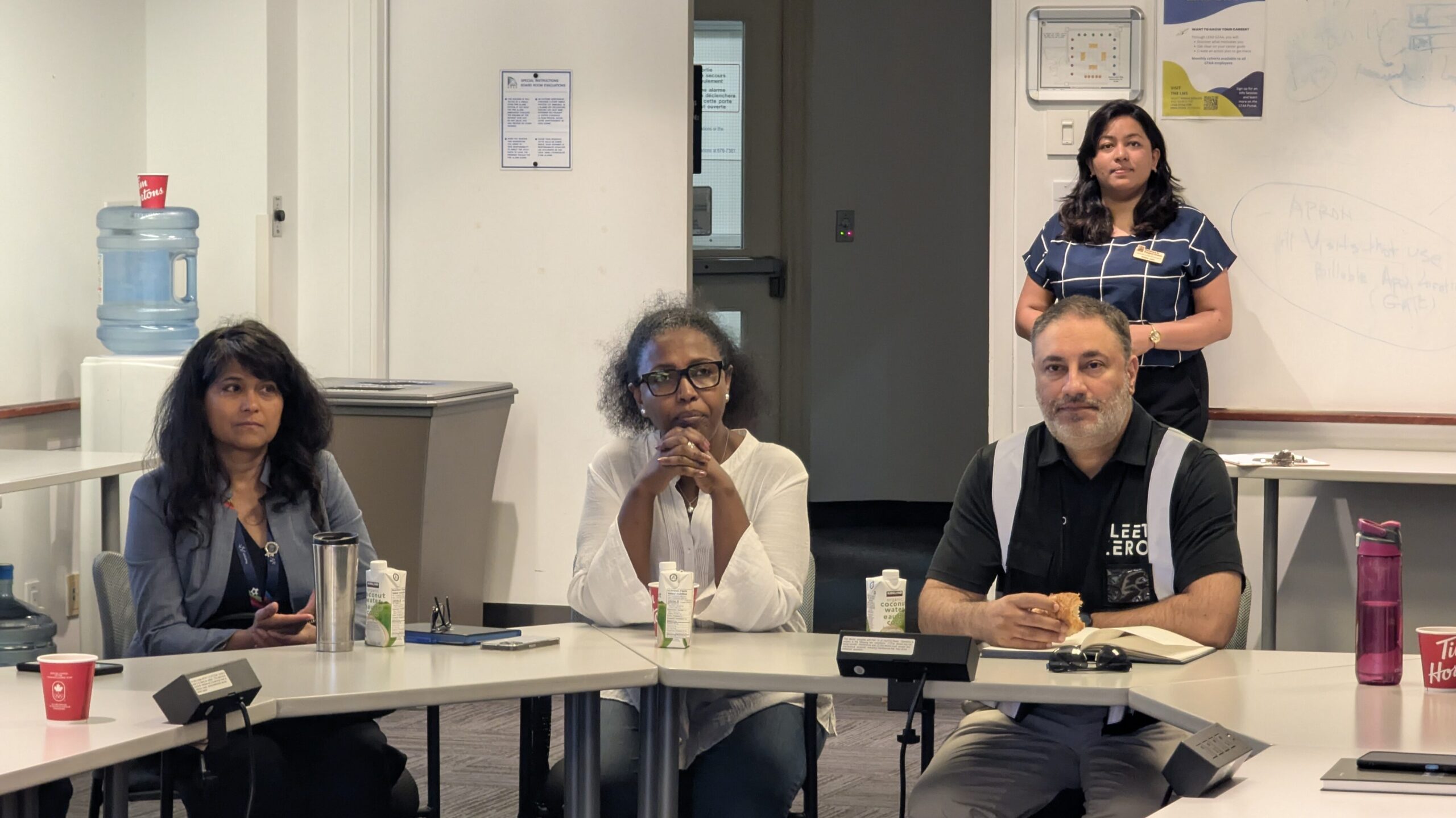
At the July meeting hosted by Toronto Pearson, members learned about the airport’s experience with renewable diesel and hydrogen as part of its broader fleet decarbonization strategy. The session included discussion of real-world considerations such as fuel availability, winter performance, cost and infrastructure.
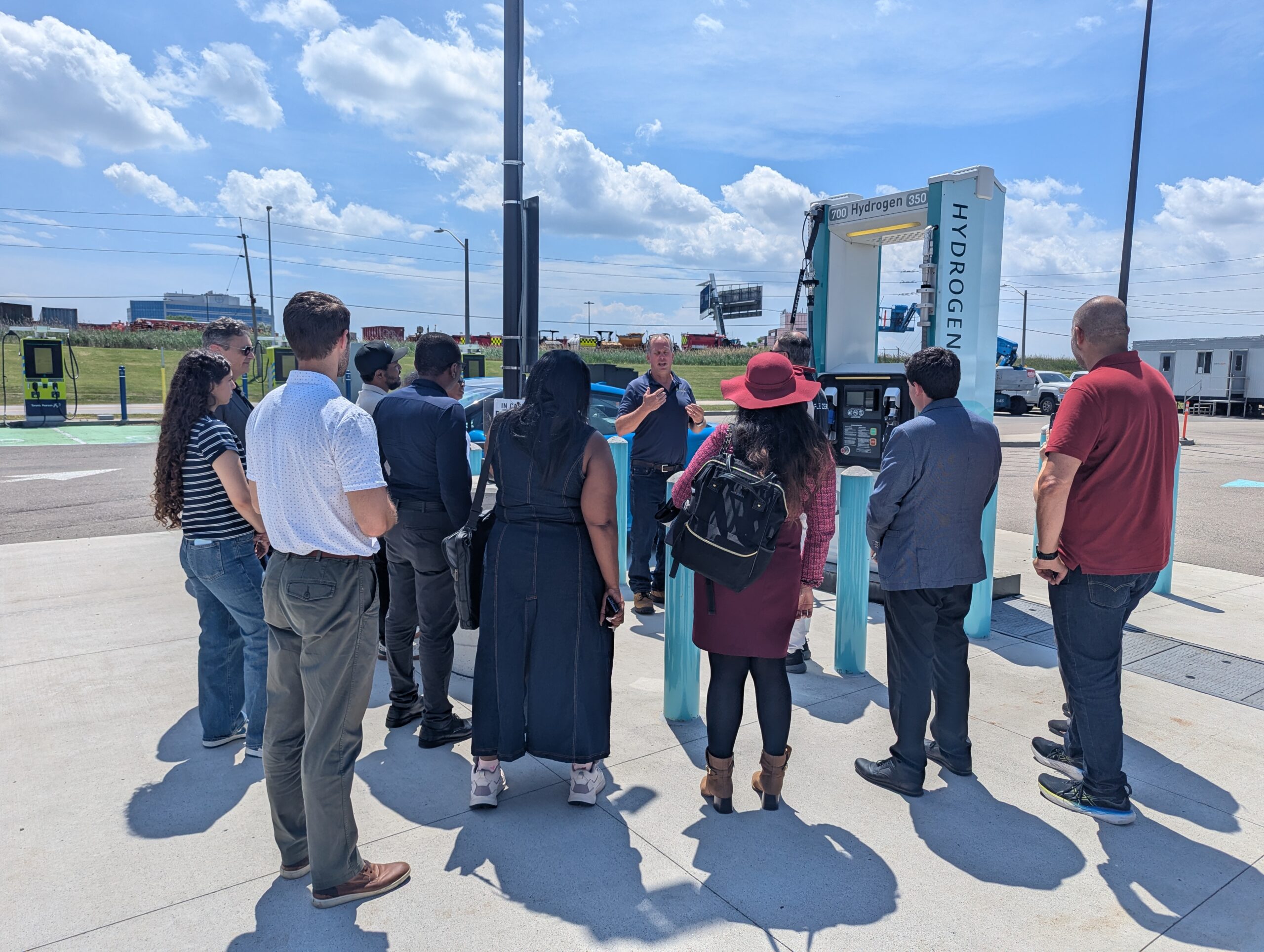
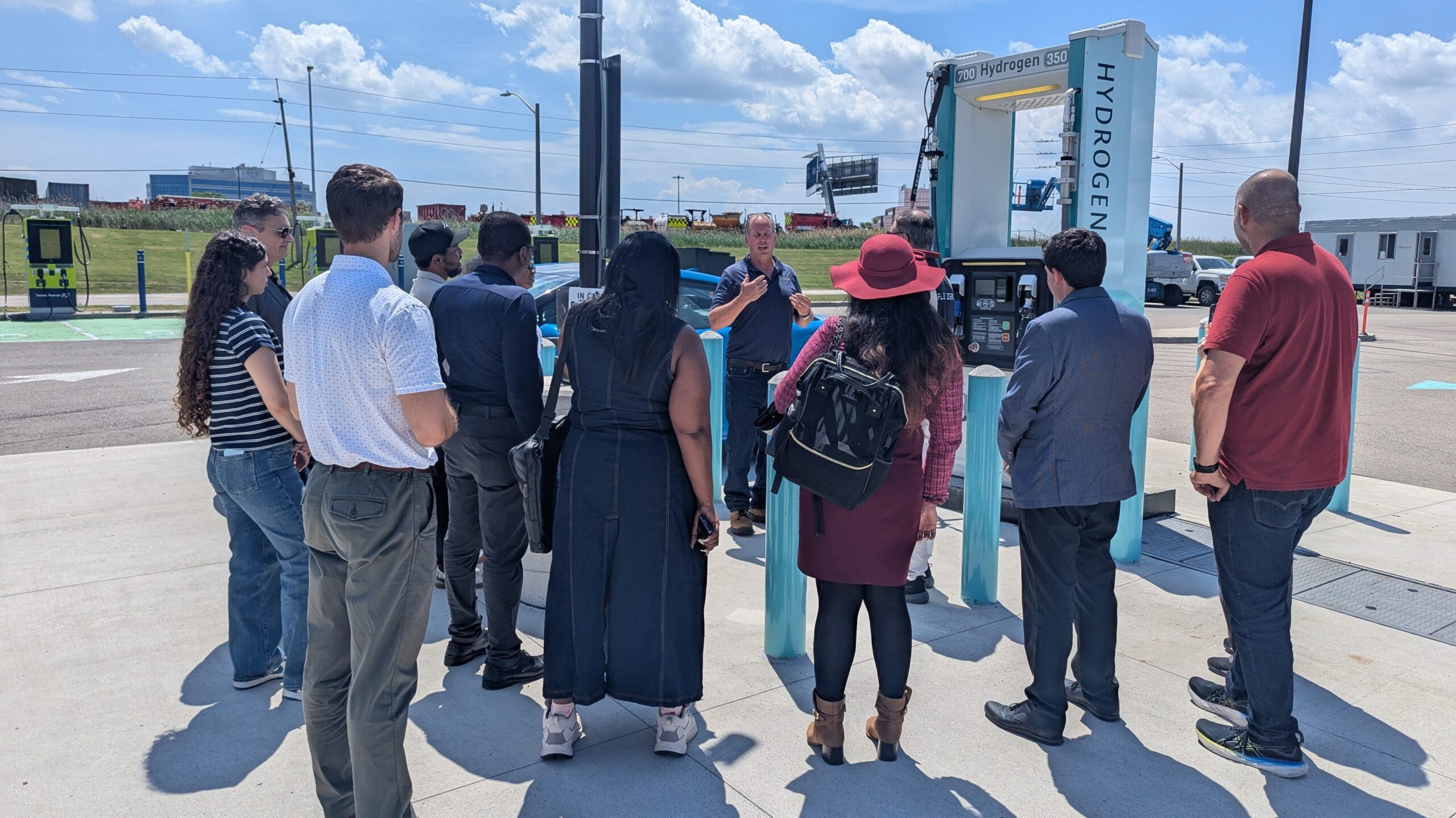
Members also toured Pearson’s hydrogen refuelling station, providing an opportunity to see the technology firsthand and discuss how hydrogen could fit into future medium- and heavy-duty fleet applications.
Experiences like these help move the conversation from general information to practical implementation. They also allow members to learn from organizations that are already testing technologies, identify common challenges and better understand what may be relevant to their own operations.
Sharing lessons beyond the Working Group
The value of these discussions extends beyond individual CFWG meetings.
As organizations across the GTA begin planning their own fleet transitions, many are asking similar questions: Which technologies are ready today? What infrastructure is required? What will the transition cost? How should emissions reductions be measured? And where should an organization begin?
Sharing real-world lessons can help organizations approach these decisions with better information and a clearer understanding of the practical steps involved.
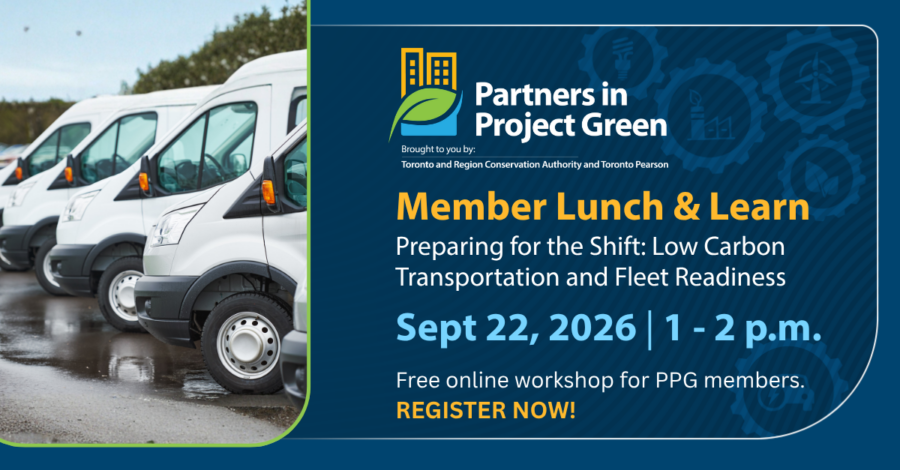
That same focus on readiness will continue at PPG’s upcoming Member Lunch & Learn, Preparing for the Shift: Low Carbon Transportation and Fleet Readiness, taking place virtually on Tuesday, September 22, 2026, from 1:00 to 2:00 p.m.
The session will feature Sherena Hussain, Co-Founder and CEO of FleetZero, and Naeem Farooqi, Co-Founder and Chief Technology Officer of FleetZero, and will explore current low-carbon transportation trends along with the operational, financial and infrastructure considerations that organizations should understand when planning a fleet transition.
Whether your organization is just beginning to explore low-carbon transportation or already developing a transition strategy, the session will provide practical insights to help prepare for the road ahead.