
From circular economy and clean fuels to climate resilience, sustainable salt management, and carbon reduction, Partners in Project Green’s mid-year results show how collaboration is turning sustainability ambition into measurable action.
Halfway through 2026, Partners in Project Green is already demonstrating the power of practical, collaborative sustainability action across the Greater Toronto Area.
In the first six months of the year, PPG supported businesses and partners through public engagement events, program-based learning, resource development, and direct support for environmental action. By June 30, PPG had delivered 10 public engagement events, 11 program-based capacity-building sessions, 1,519 learner and engagement hours. The network also supported 73 program participants and maintained 91 active members as of June 2026.
Those results tell a bigger story than numbers alone. They show a regional network focusing on action: learning together, testing solutions, sharing expertise, and applying sustainability practices in real operating environments.
A Network Focused on Action, Not Just Numbers
One of the strongest mid-year achievements came through circular economy programming. Through the Materials Exchange Program and Recycling Collection Drive, PPG diverted 27 tonnes of material from landfill by mid-year, exceeding its annual 15-tonne target within the first half of 2026.
This kind of progress matters because waste diversion is not only about keeping material out of landfill. It is about rethinking value, extending the life of resources, and helping organizations move from disposal-based systems toward more circular ways of working.
PPG also helped participants move from climate ambition to practical implementation. Through PPG’s Municipal Climate Leaders programs, participating organizations receive customized sustainability roadmaps that identify priority projects, available incentives, and clear next steps to reduce energy use and emissions. By mid-year, the programs had identified $276,383 in potential financial savings for participants, with an additional $48,324 in actual savings already tracked. They also identified 84.59 tonnes CO2e in potential greenhouse gas avoidance, with 0.116 tonnes CO2e in actual avoided emissions reported to date.
Strengthening Water and Climate Resilience
Water and climate resilience work also continued to move from assessment to action. By June 30, PPG had completed six water management assessments, helping organizations better understand site-level risks, identify operational improvements, and prioritize practical next steps.
Through the Corporate Flood and Heat Risk Management program, PPG also supported businesses in strengthening preparedness for flooding and extreme heat through site assessments, tailored reports, resource hub learning, and incentives for green infrastructure and low impact development projects. Polaris Transport Carriers Inc. is one example of this work in practice, receiving a flood and heat risk preparedness assessment and advancing toward eligible on-site resilience actions through the program.
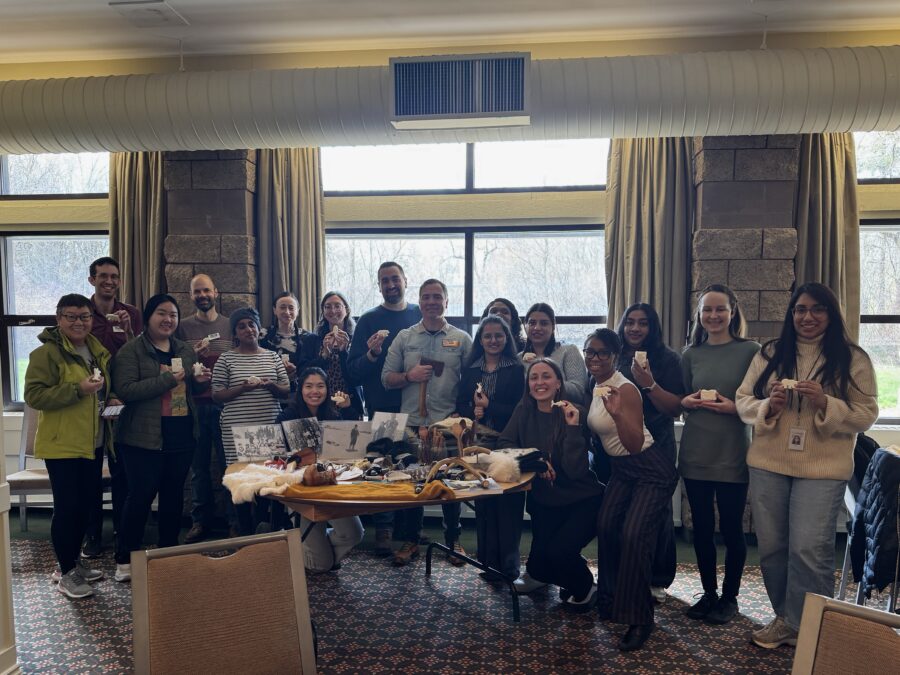
A major strength of PPG’s model is that it does not treat learning as a passive activity. The network creates opportunities for professionals to exchange knowledge, tour real-world sites, learn from peers, and bring practical insights back to their organizations.
Learning That Drives Real-World Change
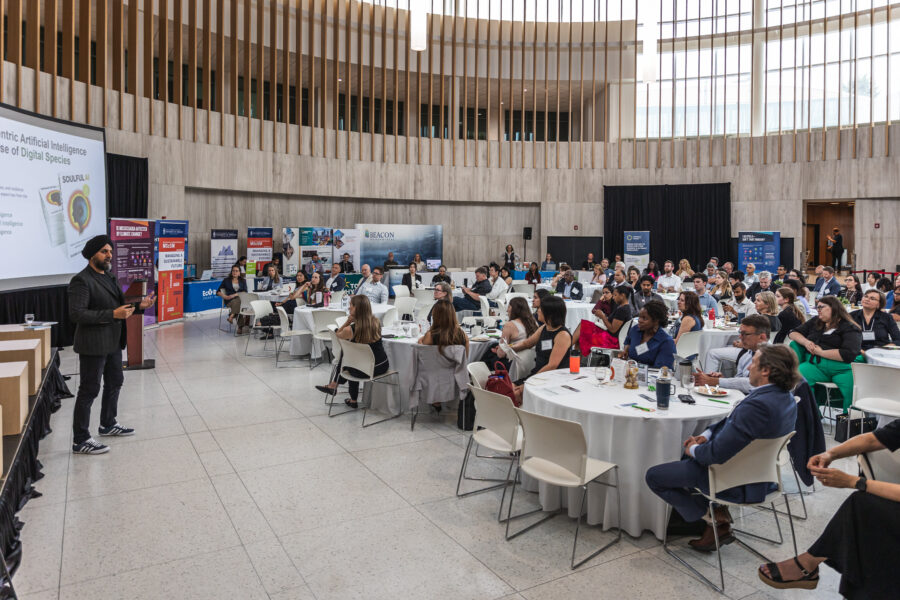
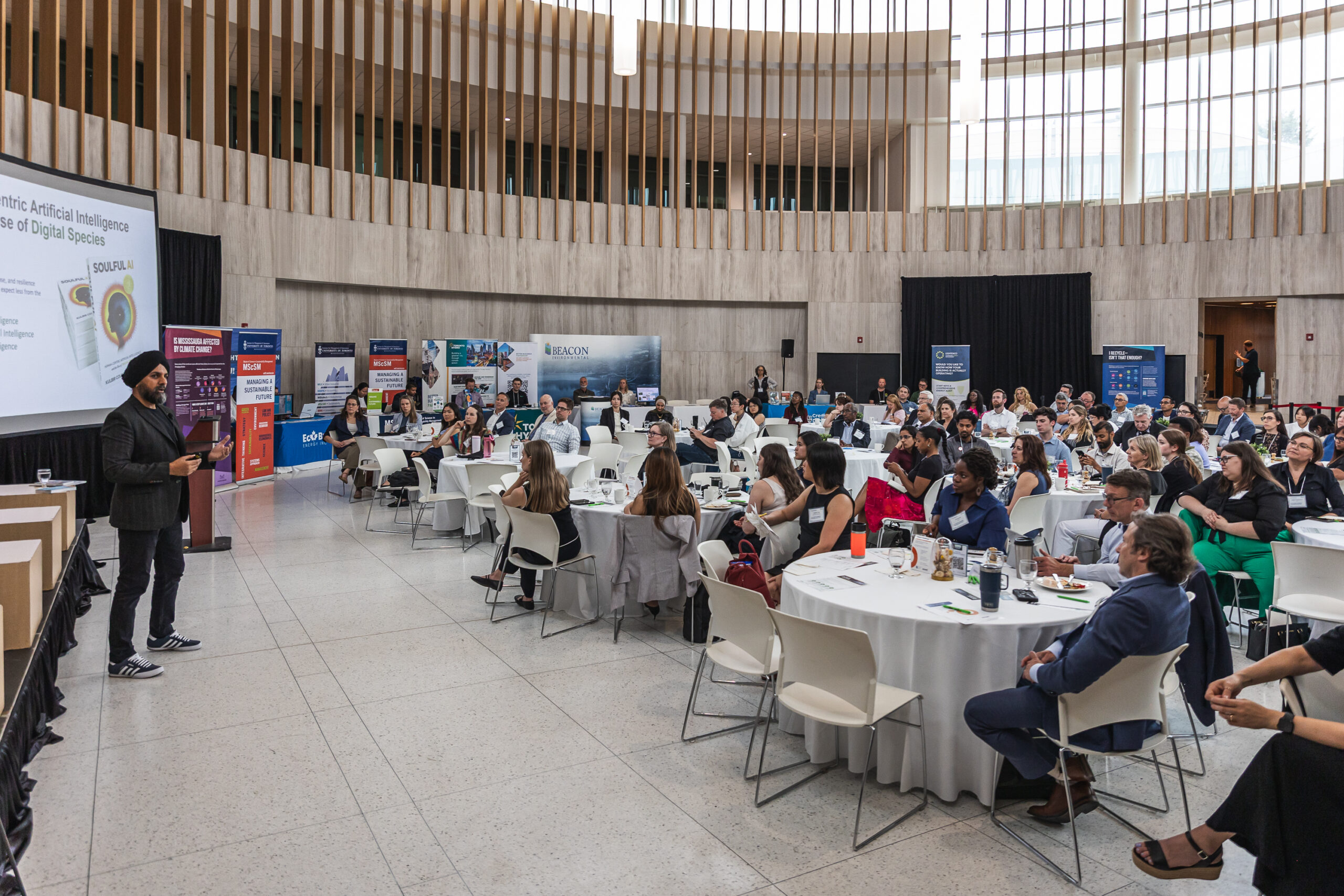
That learning culture was especially visible at Annual Forum: The Courage to Transform, held in June. The event brought together sustainability professionals, business leaders, and innovators to explore climate resilience, innovation, finance, leadership, and the role of emerging technologies in sustainability. More than 135 people attended the Forum.
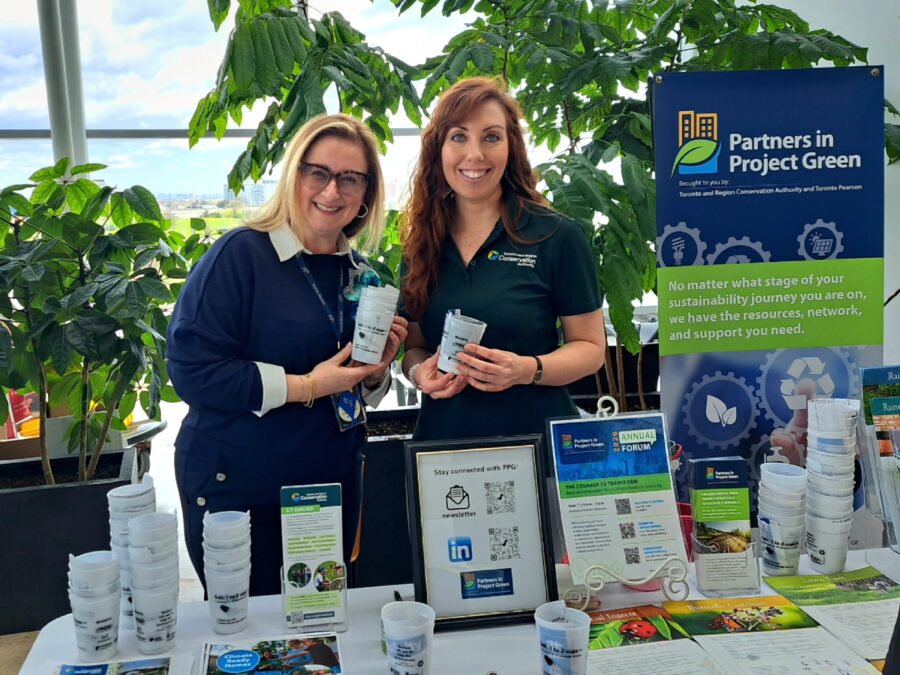
Beyond events, PPG’s digital resources continued to be a key source of support. In the first half of 2026, PPG resource pages received 6,370 views, including 2,425 energy resource views, 2,056 water resource views, 723 waste resource views, and 1,166 engagement resource views. These resource views point to ongoing demand for tools, guidance, case studies, and practical sustainability information that organizations can use in real time.
Innovation at the Core: Salt Phytoremediation
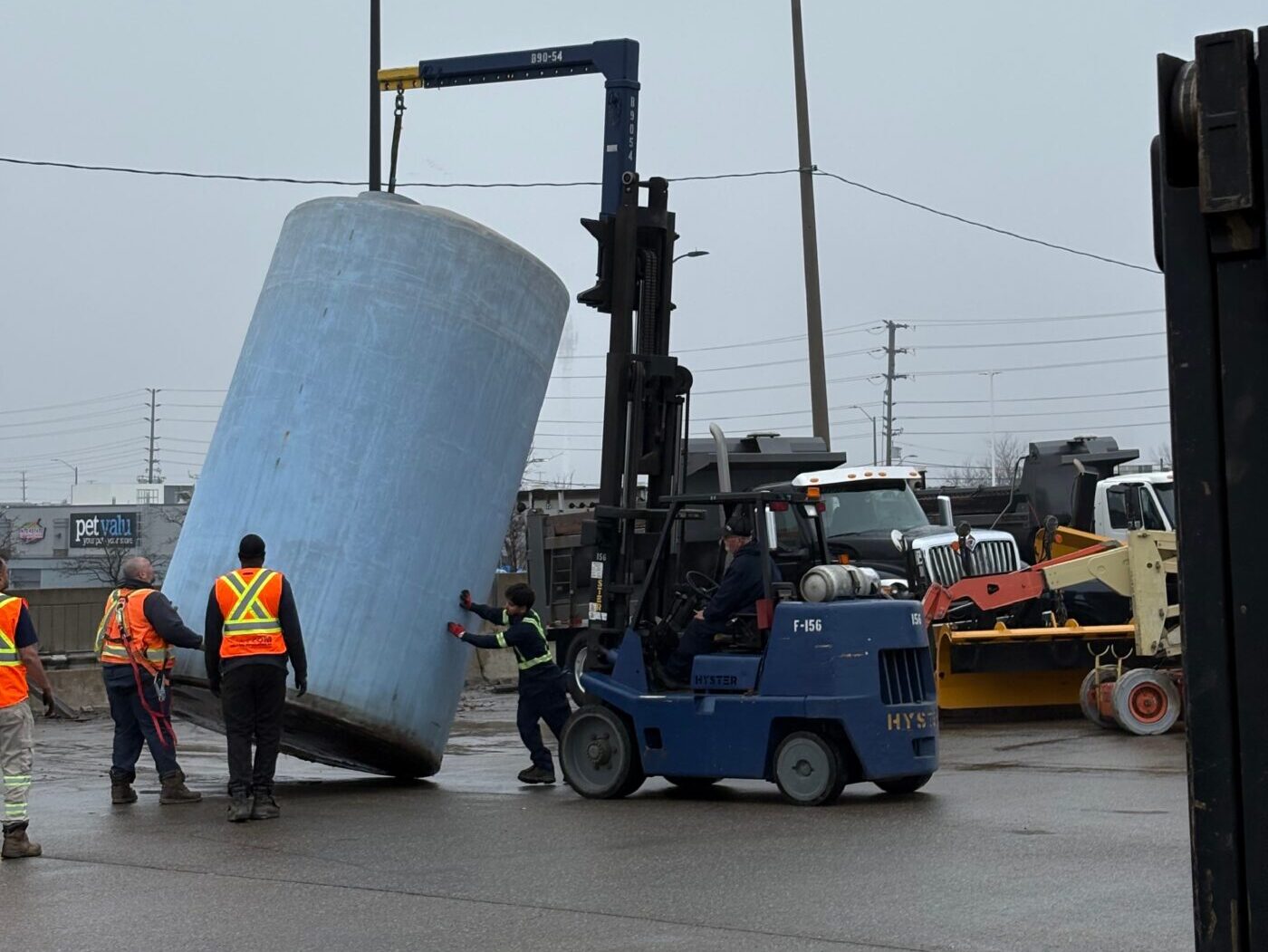
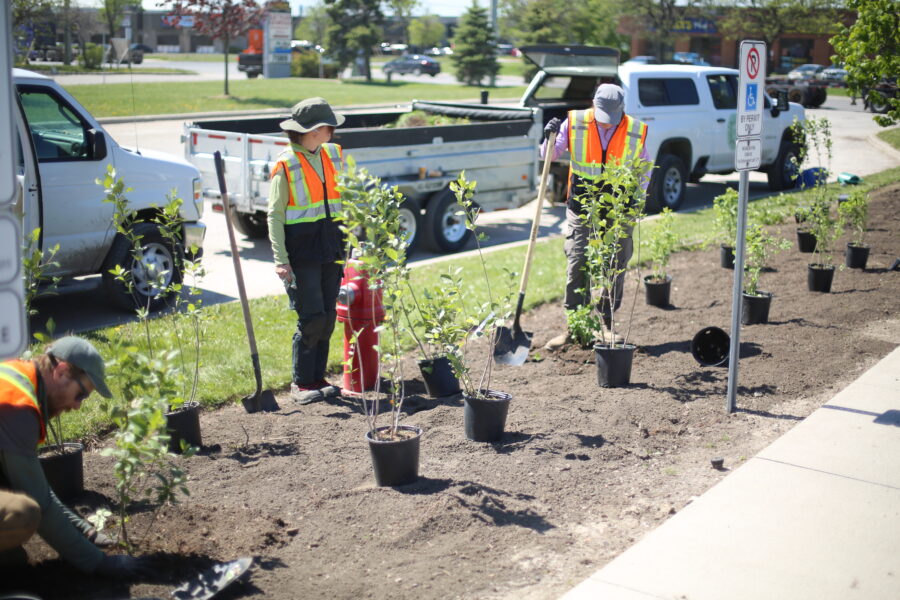
Innovation also remained central to the network’s work. In 2026, PPG continued to support applied sustainability solutions related to salt management and clean fuels. The Salt Phytoremediation project continued to show how nature-based solutions can help address the environmental impacts of winter salt. Using native plants that can absorb salt from the soil, the project is exploring how salt-impacted sites can be managed in a more sustainable way. In June 2026, a new peer-reviewed article, “Closing the chloride loop: Halophyte biomass for circular road salt management”, was published in the Journal of Environmental Management. The study found that salt captured in harvested plant material can be washed out and recovered, creating the potential to reuse or manage that salt instead of leaving it in the environment. The findings point to a promising circular approach: plants help pull salt from the soil, and the harvested material can become part of a new system for recovering and managing road salt more responsibly.
Clean Fuels Working Group: Advancing Fleet Decarbonization
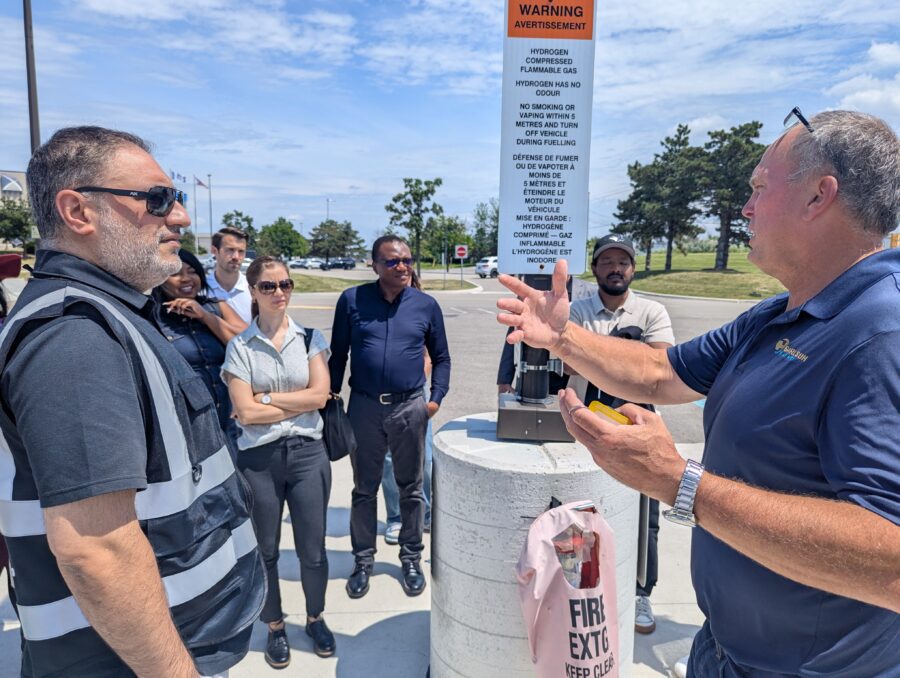
On clean transportation, PPG’s Clean Fuels Working Group brought together transportation sector professionals focused on clean fuels and fleet decarbonization technologies for medium- and heavy-duty vehicles. Two meetings were held in the first half of 2026, and the group welcomed Maple Leaf Foods and York Region as new members. The Working Group will continue providing a forum for participants to share project updates, data, funding opportunities, policy insights, and lessons learned.
Looking Ahead: Building on 2026 Momentum
As PPG looks to the second half of 2026, the opportunity is to build on this momentum by continuing to connect organizations with practical learning, peer networks, implementation support, and opportunities to showcase leadership. Planned activities include member-focused restoration, continued case study development, strategic events, and additional opportunities to strengthen alignment between programming, communications, and sustainability priorities.
At mid-year, the message is clear: the work is moving. The network is engaged. The results are measurable. And the second half of 2026 offers even more opportunity to turn shared ambition into practical action.