
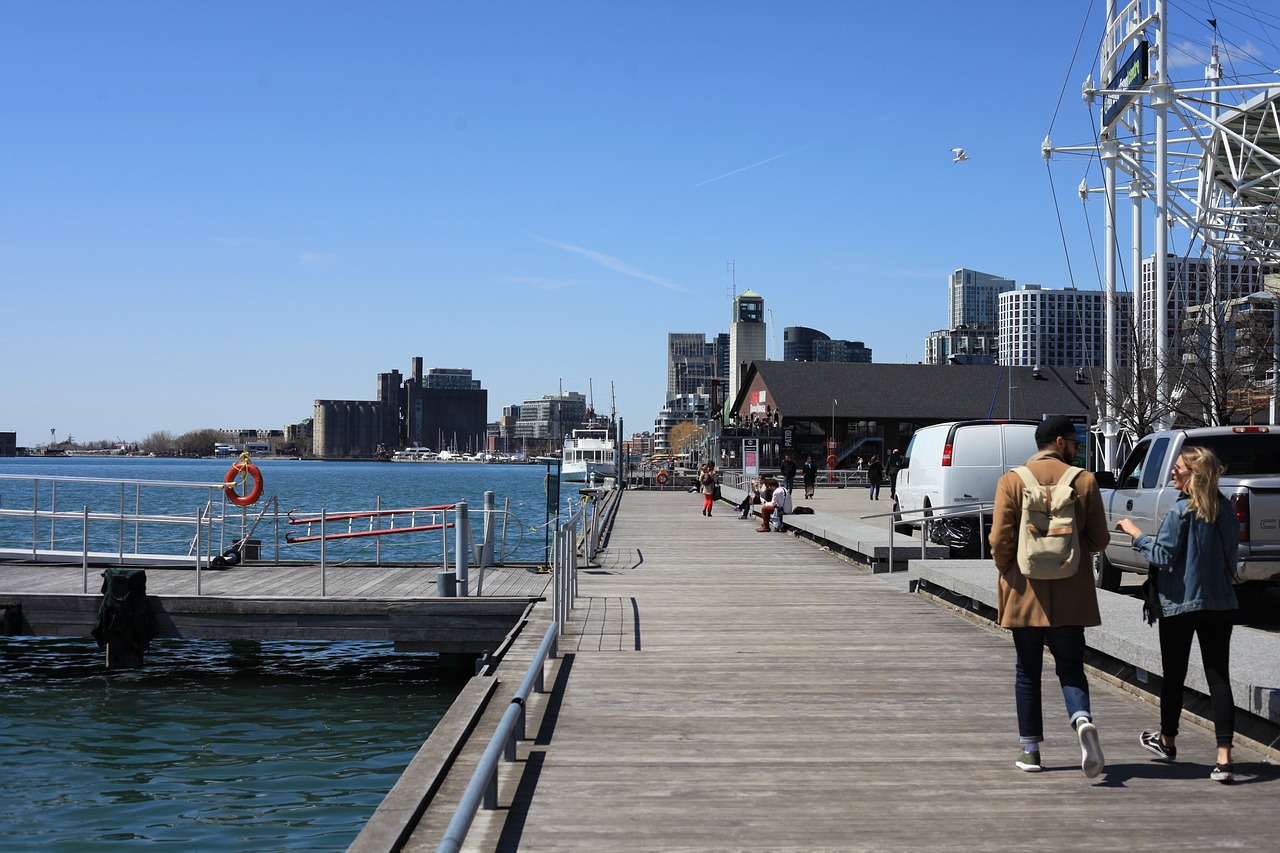
World Water Day is an annual observance day on March 22 to celebrate water and raise awareness of the 2.1 billion people living without access to safe water. A core focus on World Water Day is to support the achievement of Sustainable Development Goal (SDG) 6: Water and Sanitation for All by 2030. This year’s theme is Water and Gender, highlighting that the global water crisis affects everyone- but not equally. Where people lack the human rights to safe drinking water and sanitation, inequalities grow, with women and girls bearing the brunt.
This World Water Day, it’s time to centre women and girls in water solutions. Because where water flows, equality grows!
Did you know that there are still Long-Term Drinking Water Advisories across Canada? In Ontario alone, there are 29 active advisories as of February 19, 2026, all on First Nations lands. For a country rich in freshwater, inequalities to access clean drinking water still exist. As caretakers of water, Indigenous women have an important role to play in water solutions.
Toronto and region Conservation Authority (TRCA) has partnered with the Ontario Ministry of the Environment, Conservation and Parks since 2002, to monitor surface water quality across TRCA’s jurisdiction. The data has shown that contamination from urbanization (runoff), such as sediment, nutrients and road salt, continues to be the largest contributor to poor water quality conditions while industrial chemicals, pesticides, and plastics also play a part. Poor water quality poses a significant threat to aquatic life, particularly in urban streams and lakes.
Businesses of all sizes and sectors have a unique opportunity and role to play in protecting and conserving this precious resource. Partners in Project Green supports businesses in conserving freshwater and sustainable on-site stormwater management through our programs and resources.
Corporate Flood and Heat Risk Management Program
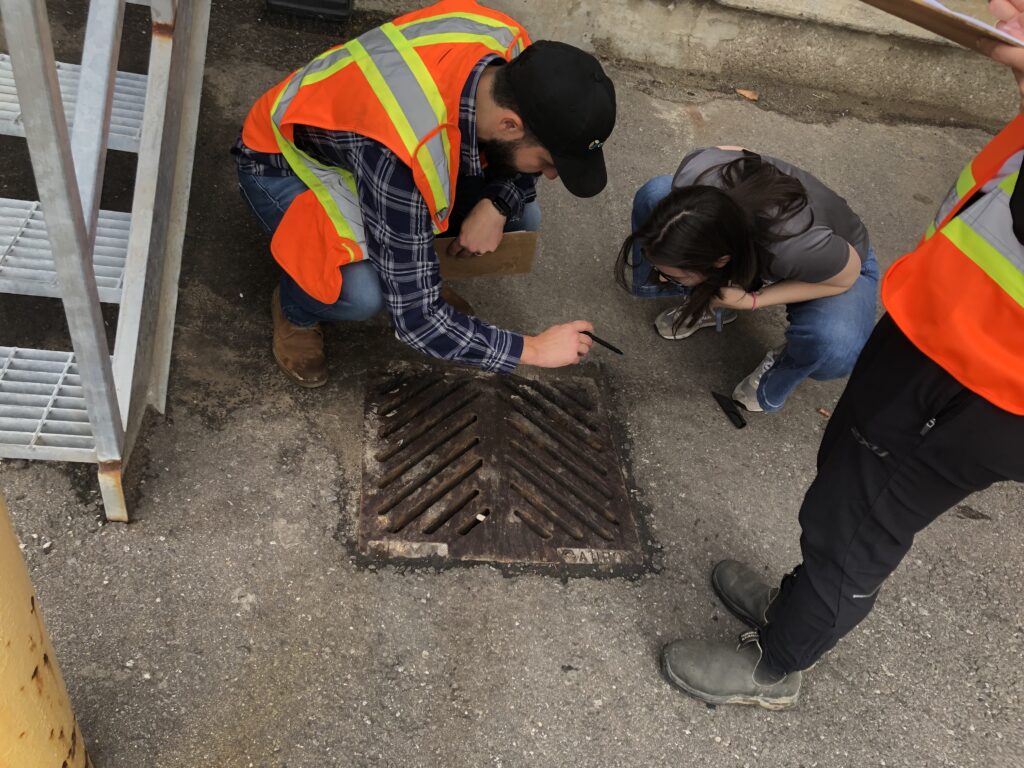
The Corporate Flood and Heat Risk Management program supports the Industrial, Commercial and Institutional (ICI)/Multi-Unit Residential Building (MURB) sectors with free site assessments to assist qualifying organizations in the Greater Toronto Area identify their risks to flood and heat while highlighting opportunities for mitigation measures to build resilience through Low Impact Development/Green Infrastructure solutions.
Check out how we are supporting businesses through this program.
There are also online education modules, with a special section on Understanding Our Connection to Water: An Anishinaabe Woman’s Perspective. As Water carriers, care takers, and protectors, Indigenous women of Canada have always fought and advocated for the rights of Water. This module shares an Anishinaabe woman’s perspective on the significance that Water holds, not only through the lens of an Anishinaabe woman, but as a shared connection for all of us residing on this land.

Toronto Inner Harbour Floatables Strategy
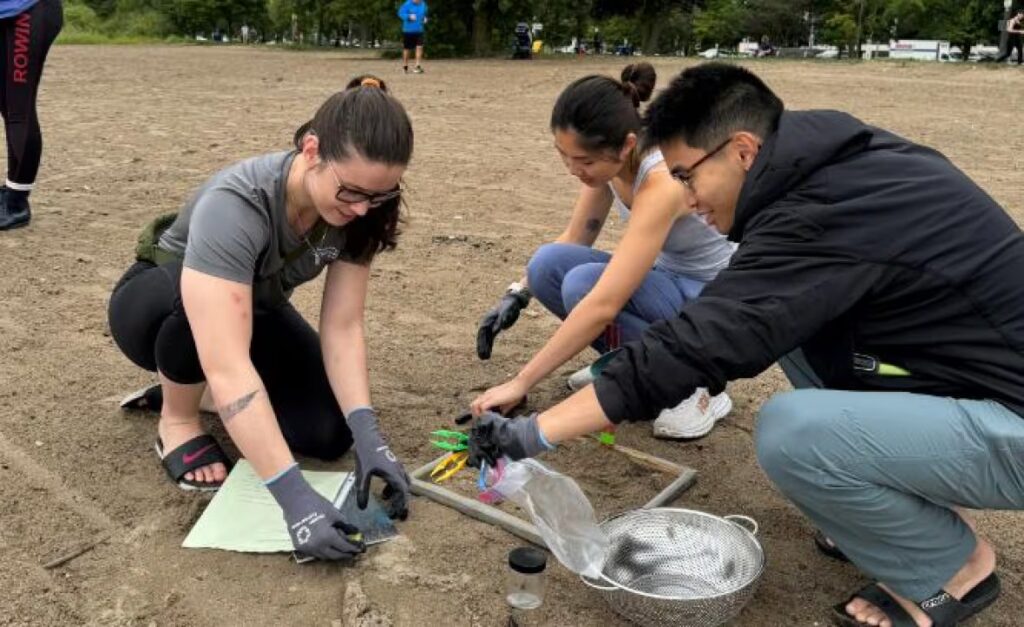
The Toronto Inner Harbour Floatables Strategy (Floatables Strategy) is a collaborative strategy with a mission to reduce plastic pollution and other floating litter in the Toronto harbour. To achieve this, the Strategy delivers community engagement events, leads cutting edge research on downstream problems and upstream solutions, and supports policy and corporate action.
It is a collaboration between the Toronto and Region Conservation Authority, the Toronto Remedial Action Plan, University of Toronto Trash Team, PortsToronto, City of Toronto, Swim Drink Fish, Waterfront Business Improvement Area, Harbourfront Centre, and Waterfront Toronto.
Check out the latest Pollution Prevention resources:
- In Pursuit of Polystyrene: determining the sources of polystyrene foam in Lake Ontario
- Operation Sweep the Creek: Taking action against plastic pellet pollution
- WIPES VS. PIPES: Flushed Wet Wipes are a Significant Source of Plastic Pollution
- Ditching Disposables: Switching from Single-Use to Reusable in Toronto Restaurants
Sustainable Salt Management Resource Hub
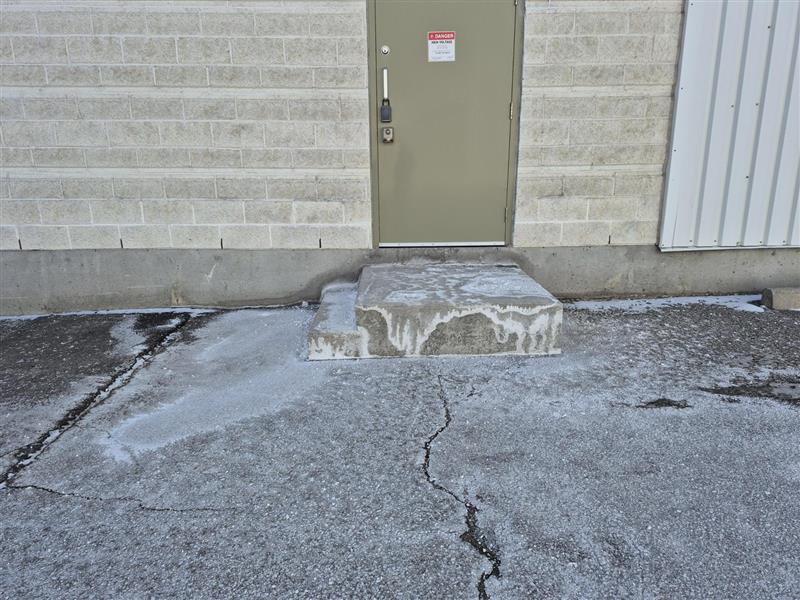
Did you know that 7 million tonnes of road salt are applied to Canadian roads every winter? Experts at the Toronto and Region Conservation Authority estimate that more than 10 times the appropriate amount of salt is being applied to parking lots and walkways, which is negatively impacting nearby waterways, lakes, groundwater, and soil. Find out how you can reduce road salt use on your property with the Sustainable Salt Management Resource Hub.
Recent resources to explore include:
Municipal Water Efficiency Program

Rising water costs and ageing municipal infrastructure present challenges for businesses and their water use. But it also presents an opportunity for businesses to reduce their water use and improve efficiency within their buildings and operations. PPG supports our municipal partners (City of Toronto, Peel Region, and York Region) in raising awareness of their Water Efficiency program offerings. Check out what is offered in your region to support your business in reducing its water footprint.
Case studies and recordings of previous webinars are available showcasing regional offerings and real-life application of how organizations have reduced their water usage:
Do your part to address water pollution and equal access to clean water. See how you can benefit from the above programs. Contact Chaya Chengappa, Program Manager at chaya.chengappa@trca.ca for details.